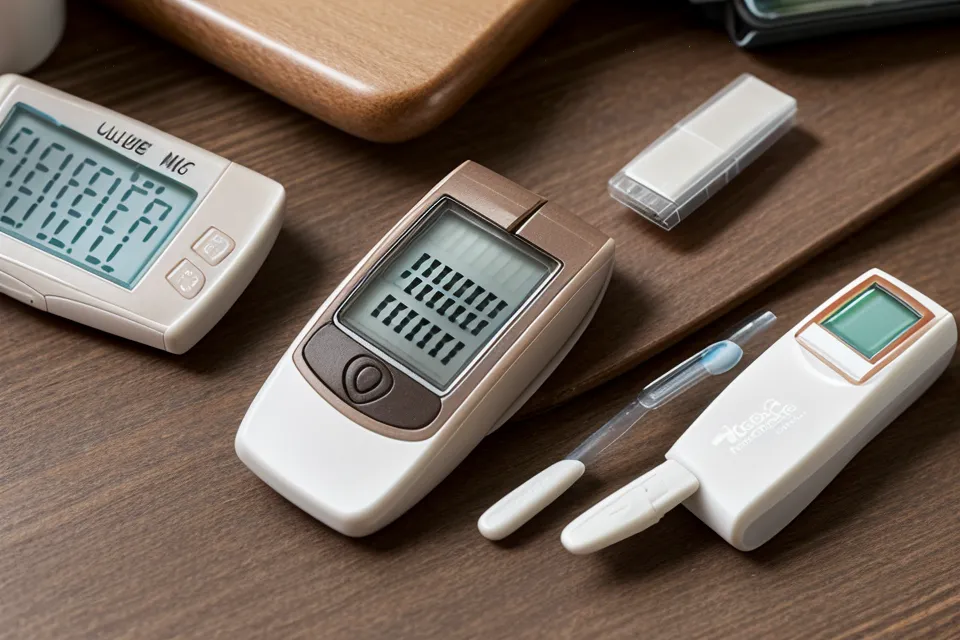
One bottle of apple cider vinegar produced two completely different sets of glucose numbers, depending on nothing more than timing and dilution. A doctor flagging my A1C as prediabetic kicked off what's become a fairly stubborn prediabetes journey, and somewhere in a late-night forum for glucose trackers I found what people call the vinegar trick. Six months of testing later, the real story isn't whether apple cider vinegar works for blood sugar management. It's that I ran two very different versions of the same habit, and only one earned a permanent spot in my glucose tracking routine.
Two Apple Cider Vinegar Habits, One Kitchen Counter
Approach A was simple to the point of being lazy — a shot of vinegar first thing in the morning, no measuring, no thought about what I'd eat later. Approach B took more setup: a diluted, timed dose in front of my heaviest meal of the day, treated less like a home remedy and more like a variable I was controlling for.
Sheila Dobbins, my next-door neighbor, noticed the little travel bottle before I'd explained anything and asked why I assumed one vinegar habit was as good as another. It's a fair question, and it's basically the same one I ask when a vendor tells me their product "just works" without telling me under what conditions.
Why the Morning Shot Never Moved My Fasting Numbers
Straight shots, taken on waking and disconnected from any meal, were the first thing I tested — three weeks of it, logged every morning. My fasting numbers barely budged. Not worse, just flat, like a marketing expense that shows up on the statement every month without ever showing up in the numbers that matter.
The problem, I eventually decided, was timing. A shot on an empty stomach with nothing else happening metabolically is a different event than the same dose sitting in your system right as a plate of carbs shows up. Apple cider vinegar is not exactly a mystery ingredient — it's been sitting in kitchen cabinets for generations — but treating it like a supplement you take on a schedule instead of a tool you deploy at the right moment turned out to matter more than I expected.
The Diluted, Meal-Timed Version Told a Different Story
Diluting the dose wasn't optional. A full tablespoon — about 15 milliliters — of straight vinegar will do a number on your enamel and your esophagus if you're not careful, so every dose went into a full glass of water, timed to hit my system right before the biggest meal of the day. I also started checking the label on every new bottle, since the acetic acid concentration on some off-brand vinegars runs lower than the standard five percent, and a weaker batch is a different experiment whether you notice it or not.
The log that changed my mind was the one where every fasting number that week came in under 115, no exceptions — the first time that had happened since the appointment that started all this. It lined up with something I'd already noticed looking beyond my first A1C wake-up call: timing an intervention right does more than just doing it more often.
A cookout put the diluted version through its real test. Two hours after the cornbread and brisket, the lancing device gave its usual sharp click before the meter ran its five-second countdown, and the rise it showed was noticeably smaller than an earlier, "unbuffered" plate of the same food. A glass of sweet tea on the same night blew right past whatever the vinegar was doing, though. Fast sugar in liquid form doesn't wait around for anything, and that gap was the clearest evidence I had that this is a tool, not a fix.
Understanding the Buffer's Actual Contribution
Overreliance became the next worry: if a diluted dose was consistently flattening my post-meal numbers, was I learning anything, or just leaning on a crutch? It's the same question I'd ask about any vendor a business gets dependent on — useful right up until the day you can't get the shipment, and then you realize you never built the in-house capability to cover the gap.
Calvin Brewster, a guy I compare notes with in an online tracking group, made a similar point without me even asking — he cross-references his daily readings against how he slept and what the weather did that day, and he was blunt about it: a habit that only works because you remembered to do it isn't the same as a habit that changes the baseline.
On the days I swapped a second dose for a walk on the Chastain Park trail in Buckhead after dinner instead, the numbers held just as well, sometimes better, without adding another variable to the vinegar column of my log. It made the buffering question easier to answer: the dose helps in the moment, but it's not doing the whole job by itself. Something about the acetic acid seems to be part of it, though I'll leave the exact explanation to people with actual credentials — I've weighed this against other approaches before too, including in my notes on Sugar Defender vs Apple Cider Vinegar, and the pattern holds: no single bottle replaces the boring stuff.
Which Habit Actually Earns Its Spot on the Counter?
If I'm running the numbers like I would for a business decision, the straight morning shot doesn't earn its keep — it's an expense with no measurable return. The diluted, meal-timed dose does, especially before a meal I already know is going to be carb-heavy, and the post-dinner walk earns its spot even more reliably than a second dose would. Choose the timed dose when you know a specific meal is a risk; choose the walk when the goal is the whole week's average, not one plate.
None of this holds up against a genuinely bad stretch — I've seen a rough week at the office spike my glucose higher than any plate of cornbread ever could, vinegar or not. My wife still calls the whole operation my second business, and some weeks the spreadsheet agrees with her more than I'd like. Talk to your own doctor before you turn any of this into a routine — I'm tracking my own numbers here, not prescribing anyone else's.
This site documents one person's experience and should not be treated as expert advice. Your circumstances are unique — please consult a qualified professional before making any decisions about your health or finances.