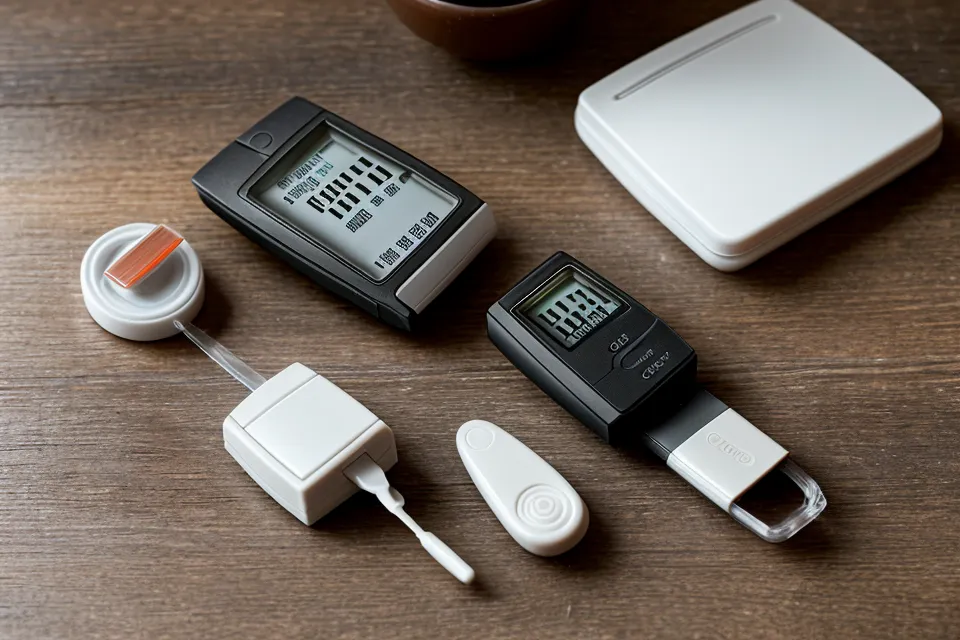
The number on your meter tomorrow morning might have less to do with what you ate tonight than with what time you turned off the lights. That question sat buried in my glucose meter data for months — my blood sugar tracking spreadsheet was full of food columns and supplement columns, built around a prediabetes lifestyle that barely made room for sleep hygiene at all.
Turns out sleep mattered more than any bottle on my counter. It took a stubborn stretch of testing, and a friend who wouldn't let me off the hook, before I'd admit it.
The Whole-Wheat Bread Fix That Never Fixed Anything
Back in the spring, my fasting readings had been stuck in the low hundreds for weeks no matter what I trimmed off dinner. Certain the answer was still on my plate, I swapped my usual sandwich bread for whole wheat, feeling pretty proud of the fix before I'd even tested it. My numbers barely moved. A month of confused logging went by before I stopped staring at the bread aisle and started looking at the clock on my nightstand instead.
On the mornings I still dragged myself to LA Fitness on Peachtree Industrial for a slow treadmill walk after four or five hours of sleep, I could tell before I even got dressed that the reading waiting for me back home was going to be ugly. That pattern showed up in the log more consistently than any bread swap ever had.
A business acquaintance named Randall Kovic, a guy I know from real estate deals, had been running his own fasting numbers for a while by then, and he's the type who won't believe a supplement claim until he sees the spreadsheet himself. When I told him about the bread swap that hadn't worked, his first question wasn't about my diet — it was how many hours I'd slept the night before each bad reading. I didn't have an answer, which annoyed me more than it should have.
So the tracking sheet got a new column. Fasting number, sleep hours, bedtime, same as always, but now sleep sat right next to the numbers I actually cared about — a change I'm mildly embarrassed took this long to make, for a guy who tracks everything else in a spreadsheet down to the minute. The pen scratched a fresh line into that column every single morning, ugly number or not. I'm still doing this with a finger-prick meter, not a continuous monitor — the CGM question is its own comparison I haven't tackled yet.
How Sleep Hygiene Started Showing Up in My Glucose Meter Data
By the seventh week of keeping that column, the pattern was hard to miss. Five straight days of fasting readings averaging 103 — the best stretch I'd logged since starting this whole project — and every one of those nights had crossed seven hours of sleep. My fasting baseline had been creeping upward for months regardless of diet, which turned out to be its own separate rabbit hole I won't get into here. The nights under six hours told a different story almost every time.
The research rabbit hole led me to a term called cortisol, and later to something researchers call the Dawn Phenomenon. I won't pretend to understand the biology behind either one — that's not my department, and I'd rather not butcher an explanation that belongs to people with actual medical training. What showed up on my meter was simple enough: short nights, higher mornings, almost like clockwork. Coffee muddies the picture too — caffeine turned out to be its own confounding variable I've had to track separately from sleep entirely.
A reader named Donna Hirsch emailed me a while back with her usual list of numbered questions, and buried in question four was something close to: does sleep actually move the needle, or is that just something people say online? I wish I'd had a straight answer for her at the time. Now I'd tell her what I eventually told myself — check the sleep log before you check the supplement shelf, because one bad night can undo what a good supplement is supposed to do.
The Almond Trick That Solved a Problem I Didn't Know I Had
Getting my numbers low before bed felt like a win, so for a stretch I started skipping evening snacks, and some nights skipping dinner altogether, just to watch my reading dip into the 80s before I turned in. Instead I started waking up around 3 AM with my heart pounding, wide awake for no reason I could point to. It took a few weeks of logging before I connected the two.
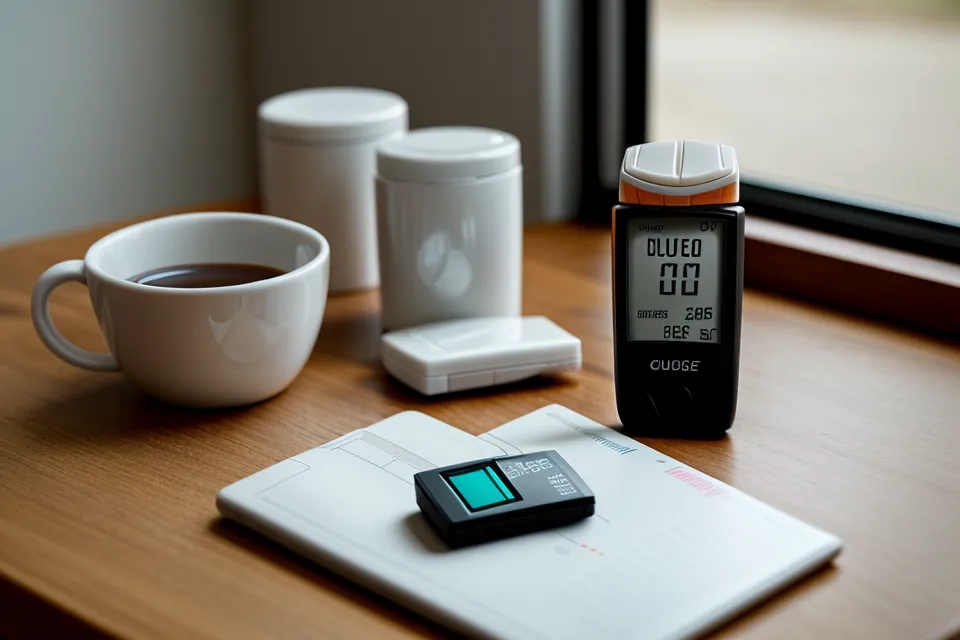
A handful of almonds or a few stalks of celery before bed fixed it better than anything else I tried that month — not a dramatic fix, just a steadier number and a full night without the 3 AM wake-up call. It ran against everything I'd read online about not eating late, and I still don't have a clean explanation for why it worked. I just know it did, log after log, most nights I tried it.
Checking Sleep Before Buying Another Bottle
My A1C — the same test that came back at 5.8%, just over the prediabetes line, and started all of this in the first place — has finally started drifting the right direction. It wasn't a new bottle that did it. It was treating an eleven o'clock bedtime like a business appointment I couldn't cancel. The actual month-by-month testing protocol for each supplement still lives in its own separate log, and what happens to my numbers when I stop a bottle cold is a story for another time, but none of it moved the needle the way sleep did.
I still bring my own low-carb wrap to neighborhood cookouts, and I still catch myself weighing a late night against tomorrow's spike like I'm reading a P&L instead of a dinner invitation. If you're stuck with fasting numbers that won't move no matter how carefully you eat, check your sleep log before you buy another bottle. I detailed a related mess in my notes on a stressful week at the office that spiked my glucose higher than birthday cake, and sleep debt does something similar — just quieter, and slower to notice. I learned a version of the same lesson running the bagel test a while back, where changing one baseline variable changed everything downstream. Sleep turned out to be the same kind of variable. It just took me longer to notice it.
This site documents one person's experience and should not be treated as expert advice. Your circumstances are unique — please consult a qualified professional before making any decisions about your health or finances.