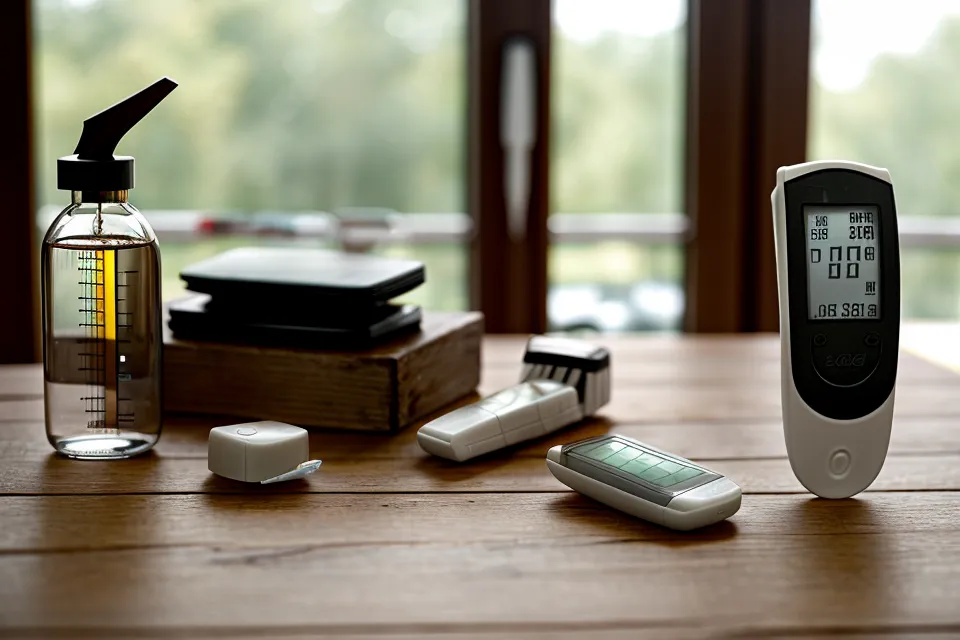
One hundred thirty-four. That's what the meter read ninety minutes after a slice of my nephew's birthday cake — nowhere near the number I'd braced myself for after cutting a bigger piece than I probably should have. A stretch of back-to-back vendor calls a few weeks later, with nothing but coffee in my system since breakfast, pushed my glucose higher than that cake ever managed. Somewhere between those two readings, my prediabetes glucose tracking took a turn no spreadsheet saw coming: stress and sugar move a meter in completely different ways, and no amount of lifestyle tweaking or supplement testing fixes that if stress management stays off your ledger.
When my A1C first crossed into prediabetes territory, I treated it the way I'd treat any underperforming line in the business: audit everything, measure everything, assume the diet was the whole problem. That's a fair place to start. It just isn't the whole picture, and the birthday cake versus vendor-call comparison is the clearest example I've got.
Two Very Different Kinds of Spike
Here's the comparison, side by side. A cake spike is a transaction: you eat, the number goes up, your body handles it, and it comes back down within a predictable window. A stress spike doesn't work like a transaction at all; it behaves more like a fixed cost that sits on the books whether you touched food or not. Comparing the two the way I'd compare two vendors made it obvious which one deserved more of my attention.
Why the Office Reading Wouldn't Come Down
That vendor-call spike didn't behave like a transaction at all. There was no clean rise-and-fall, just a stubborn plateau that held for hours after the calls ended, with nothing in my stomach to blame it on. Around then I started reading about cortisol and a process called gluconeogenesis, words I'd never needed before that stretch of my life. I'll leave the mechanics of what a bad meeting does to a fasting number for a different write-up, since that's its own rabbit hole. What matters for this comparison is simpler: the number climbed without food being involved, and it stayed up far longer than any meal-driven spike I've logged.
What the Cake Actually Did
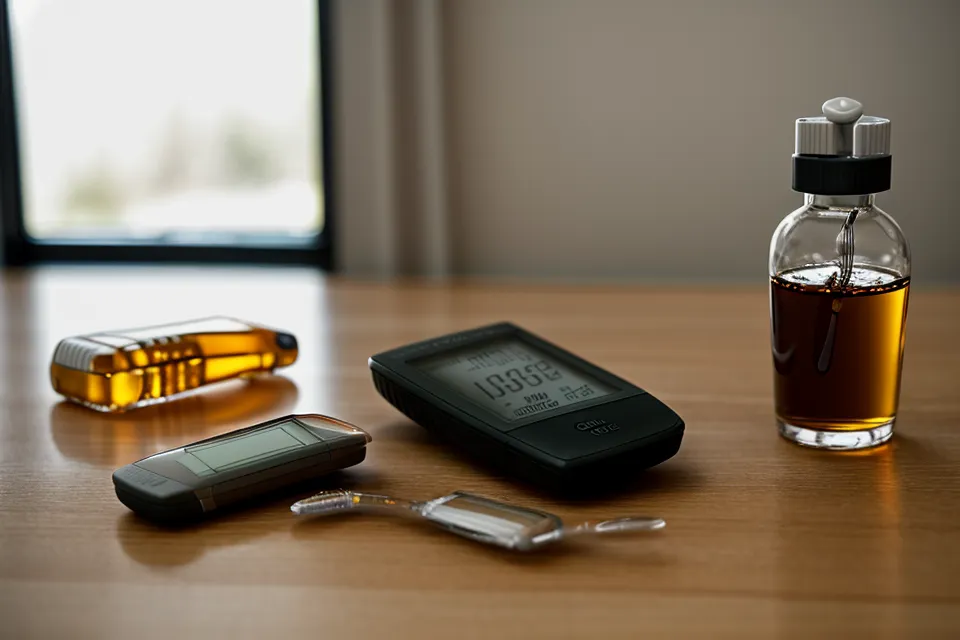
The nephew's-birthday test held up exactly the way a normal post-meal reading should: up, then back down, inside about two hours, with no lingering plateau on the next check. My fasting number the next morning — a baseline I track every day, and its own long-running experiment I won't rehash here — sat comfortably under my normal fasting glucose range, like nothing had happened the night before. A post-meal spike from food follows a rhythm I've mapped out in a lot more detail elsewhere, but the short version applies here: a predictable rise-and-fall like that one behaves more like a routine expense than an actual problem.
Lifestyle vs. Supplements: Which Line Item Moved More
I ran plenty of experiments trying to flatten spikes like that one before I connected any of it to stress. Tightening my eating window to a 16:8 schedule without changing anything else about what I ate was one of them — I kept every other habit exactly the same, just moved when I stopped and started eating, and my fasting numbers barely budged. That told me timing wasn't the lever I thought it was; my calendar was doing more damage than my kitchen. I wrote about a similar frustration in Beyond the 6.1 Wake-Up Call: My Tracking Notes from a Year of Testing Labels and Droppers, but the stress angle hadn't clicked for me yet at that point. I even ran a Sugar Defender vs Apple Cider Vinegar: My Experience With Both comparison hoping one would flatten these post-work spikes, and while each helped a little at the margins, neither one touched the plateau once stress was actually driving it.
Every supplement I've tested, every label I've learned to read with a healthy amount of skepticism, every ingredient list I've had to stop taking at face value — none of that showed up as clearly on the meter as a bad week at work did. My neighbor Sheila caught wind of this comparison before I'd even finished logging it, and true to form she brought up a detail I'd mentioned to her weeks earlier that I'd already half forgotten myself — she remembers things like that better than my own notes do. Calvin, a guy I know from a prediabetes tracking group online who'll argue with anyone about which meter brand is worth owning, asked whether I'd tried a continuous monitor instead of finger sticks for this comparison; fair question, and a different comparison than the one I'm making here, since I ran this whole test on finger pricks alone.
There's a stack of other variables sitting outside this particular comparison that I track just as closely — how a rough night of sleep moves my fasting number almost as much as a bad meeting does, how much coffee complicates a fasting reading before breakfast, what happens on the meter once I stop a supplement instead of starting one, and how much sugar hides in food that doesn't taste sweet at all. None of that changes what the cake-versus-office comparison showed. It just means the ledger has more line items than most people realize.
Which Spike Should Actually Worry You?
If you're staring at your own meter trying to decide which number deserves your attention, here's the rule I use now: a reading that climbs after a meal and returns to your normal range within about two hours is a line item, not a crisis — worth a note, not a panic, and probably not what's driving your quarterly numbers. A reading that shows up with no food behind it and refuses to come down after a few hours is the one worth logging against your calendar instead of your pantry, because that's the pattern that keeps repeating no matter what you ate. Reading an A1C percentage the right way is its own conversation I won't repeat here, but week to week, the spike that won't resolve is the one I'd chase first.
Not sure whether your own numbers point to diet or to stress? A six-month deep dive into your own tracking will usually make the pattern obvious faster than guessing ever will. I've added yet another column to a spreadsheet that was already excessive by any normal person's standard, but at least now the numbers finally explain each other instead of contradicting themselves.
This site documents one person's experience and should not be treated as expert advice. Your circumstances are unique — please consult a qualified professional before making any decisions about your health or finances.