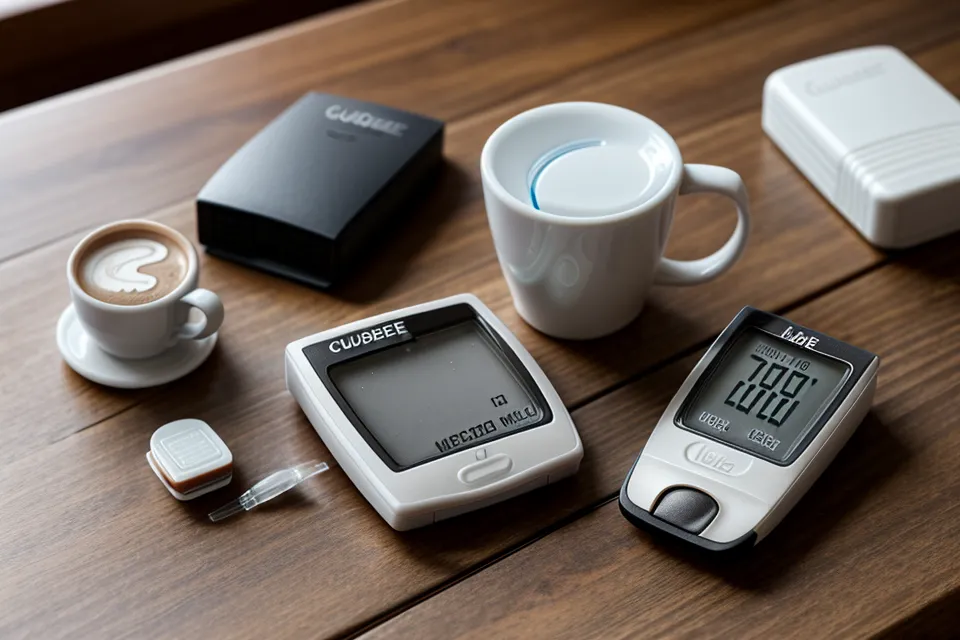
The key to knowing whether a supplement is actually lowering your blood sugar instead of just riding out a good week is getting numbers that stick around. That question sits underneath every bottle of "blood sugar support" capsules I've ever bought, and a glucose meter is the only tool I've found that tests natural supplements against something more solid than a hunch, giving you real numbers logged over real meals.
I'm not a doctor, a nutritionist, or anyone with letters after their name — I run a small business out of a home office in a Cobb County ranch house outside Atlanta, and the closest I get to medical training is reading a lab report the same way I'd read a P&L. A routine physical put my A1C on the edge of the prediabetes range, and in the two years since, instead of trusting whichever bottle had the boldest label, I started treating blood sugar testing the way I'd treat vetting a new vendor: track the number, isolate the variable, and let the data outvote the marketing copy.
What a Glucose Meter Can Actually Tell You
A finger-prick meter gives you one clean number at one moment, which is exactly why I never switched over to a continuous monitor. A CGM smooths everything into a curve, and I wanted the blunt, individual data point instead. Home meters also aren't precision lab instruments, so the honest move is to stop treating any single reading as gospel and start watching the direction your numbers move across repeated tests. If a supplement is doing anything real, it shows up in the pattern across a run of meals, not in one lucky test strip. There's that little countdown chirp on mine, then a half-second of nothing before the number actually lands on the screen, which is long enough to make you hold your breath a bit every single time.
Building a Baseline Before You Trust Any Number
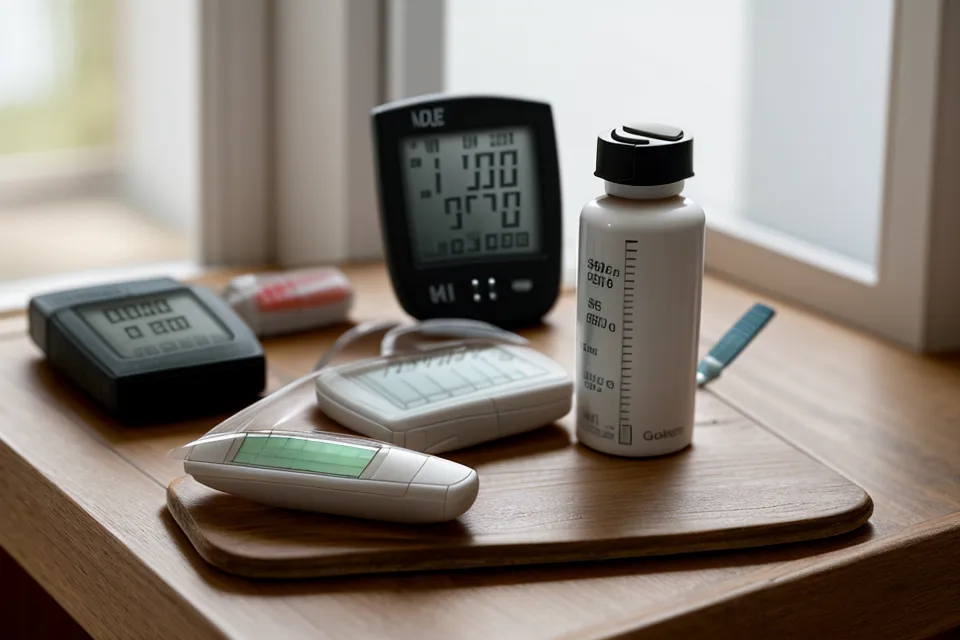
Before I touch a new bottle, I spend a stretch of ordinary days just tracking what my body does on its own — a fasting number when I wake up, a two-hour check after whatever I actually ate for lunch. That baseline is the only way to know later whether a change came from the supplement or from something else entirely. On the kitchen counter, the current bottles sit in a row in the order I'm testing them, left to right, so I always know which one is on trial. The meter and lancets live in a black zip pouch next to the coffee maker, which turned testing into as much of a morning habit as brewing a pot, and there's a laminated chart taped inside the cabinet door above the counter so I don't have to dig out my phone every time I want to compare a new reading against my own ranges.
My tracking has basically turned into an amateur spreadsheet operation at this point — a spiral notebook with columns ruled off for fasting and post-meal numbers, color-coded, more organized than some of my actual business files. My wife finds it both impressive and a little concerning, especially when another box of test strips shows up on the porch.
Why the Post-Meal Number Tells You More Than the Fasting One
Fasting numbers feel like the important one because you see it first thing in the morning, but on its own it barely tells you how a supplement handles actual food. A supplement can leave your fasting number untouched and still blunt the spike after a meal, or the other way around, so judging one and ignoring the other misses most of the picture. At my nephew's birthday party, I checked ninety minutes after a slice of cake instead of skipping it out of guilt, and the number came back at 134 instead of the mid-160s I was bracing for. One plain post-meal check like that tells you more than a stretch of tidy fasting readings ever could. Sleep and stress move both numbers on their own, which is part of why I wrote separately about why my fasting blood sugar was high after a good night's sleep — a supplement doesn't deserve credit or blame for what a bad night already did to the number.
Testing One Supplement at a Time
Running more than one supplement at once is the fastest way to end up with useless data, because you can't tell which bottle deserves the credit. I isolate one at a time, keep meals boring and repeatable during that window, and hold my coffee habit steady too, since caffeine alone can nudge a fasting number without any supplement involved.
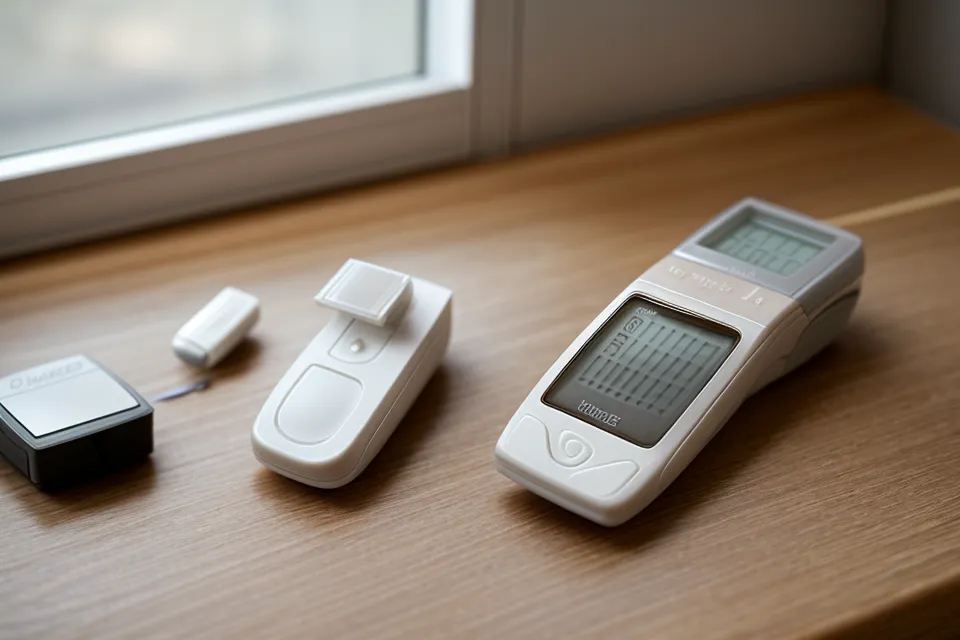
A buddy of mine who coaches his son's youth soccer team on Saturday mornings swears by a magnesium supplement that supposedly changed his numbers, but when I tested the same bottle against my own baseline, nothing moved — a good reminder that his biology and mine aren't running the same business, and that his results don't tell you what will happen with yours. I went through a stretch of strict keto once, just to see what diet alone would do without any supplement involved, and my fasting number barely budged past the two-week mark, which told me diet changes and supplement changes need to be judged on entirely different timelines. Stress works the same way. A stretch of bad nights during a busy quarter at work can make a supplement look like it's failing when the real problem is a lack of sleep, which is exactly what I dug into in a morning fasting glucose supplement experiment where I tried to isolate sleep from the pills entirely. I also stopped assuming a label's promises meant anything — plenty of bottles with the most confident marketing copy did nothing to my numbers, and I've learned to read an ingredient list the way I'd read fine print on a contract instead of the front of the box. I don't get into how any of those ingredients are supposed to work inside the body — that's a different conversation than the one a guy with a meter and a notebook is qualified to have. Even sugar hiding in food marketed as healthy can throw off a clean test, so I check labels more carefully than I used to on anything sitting near my testing window.
Defining What Counts As a Real Result
A result, to me, is a change that shows up consistently across repeat tests under the same conditions, not a single good number that could just as easily be noise. Some of the supplements I've tested brought my post-meal checks down by a noticeable, repeatable amount; most did nothing, no matter how good the label looked in the store.
Half the bottles on my shelf came from the vitamin aisle at the Publix on Johnson Ferry Road in Sandy Springs, picked up on nothing more than an eye-catching claim before I ever started testing anything properly. If a bottle can't beat my own baseline after a fair trial, it gets pulled off the shelf, and I don't feel bad about it — cutting something that isn't earning its spot isn't a failure, it's just inventory management. What happens if you stop taking something that was actually working is its own question, and one worth testing properly rather than guessing at.
None of this replaces an actual conversation with your doctor, especially once you've been flagged for prediabetes — a glucose meter tells you what's happening, not what to do about it. But treat your own numbers the way you'd treat any other set of business metrics, tracking consistently, isolating your variables, and trusting the trend over the marketing, and you'll know a lot faster which bottles on your counter are actually worth the shelf space.
This site documents one person's experience and should not be treated as expert advice. Your circumstances are unique — please consult a qualified professional before making any decisions about your health or finances.