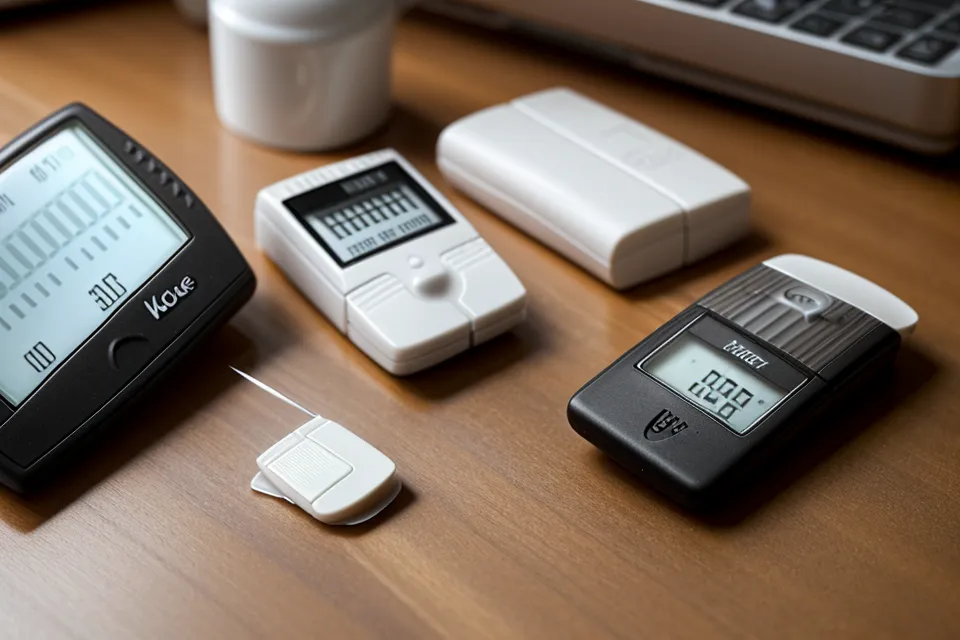
My fasting glucose read 104 this morning, checked alone at the kitchen counter a few minutes after wrapping a call with a parts supplier, before anyone else in the house was even up. No dessert the night before, no unusual stress I could name, nothing obvious to explain why it landed lower than most mornings this year. That's the part of fasting glucose tracking that took me longer than it should have to accept: the number rarely matches the story I tell myself about what caused it.
Here's the misconception I fell for longer than I'd like to admit, and the one I hear from readers constantly: that the fix for a stubborn morning number is finding the right supplement and taking it first thing, like clocking in for a shift. Ever since my A1C first crossed into prediabetes range, I've tracked it the way I track the parts counter — watch the numbers, change one thing, see what actually moves. I ran an honest experiment swapping my own supplement routine around, and the morning dose turned out to be one of the least important variables in the whole setup. If your fasting number won't budge no matter which bottle you're popping at breakfast, the pill probably isn't the problem — where you put your last dose of the day, and what your evening looks like before bed, is a much bigger lever.
Isolating The Variable That Actually Counted
My wife's started calling the kitchen counter "the lab," and she's not wrong — I keep the current lineup of whatever I'm testing lined up in order, like the world's smallest inventory shelf, which tells you plenty about how seriously I take this.
Running a supplement test the way I run inventory audits means changing one thing at a time, not five — the actual step-by-step protocol I use for blood sugar tracking during these tests is its own post, so I won't rehash it here. Before I trusted any conclusion, I had to strip out every other variable I could control: same coffee routine each morning (caffeine by itself is a confounding variable I isolated once in a separate test, after noticing how much a single cup could move a reading), same sleep window, same walk after dinner. Whether a continuous monitor would catch patterns my finger-prick meter misses is a comparison I ran once, in a post of its own — for this round I stuck with the same meter and lancets I keep next to the coffee maker every morning.
Terrence Odum, an old college roommate who runs his own IT consultancy now, kept texting me research podcast links and abstract summaries like they settled the matter. He reads the abstract, quotes it with total confidence, and doesn't always bother with the full paper — we hash a lot of it out over coffee at Hudson Grille on Roswell Road in Sandy Springs, where he pulls up whatever he read that week and I pull up my spreadsheet.
The two supplements I focused this round on were Berberine and Ceylon cinnamon, mostly because they showed up on nearly every recommendation list I'd read and I wanted to know if the hype matched my own readings. Reading a supplement label with any real skepticism — Ceylon cinnamon versus the cheaper Cassia stacked on most grocery shelves is a good example — is its own habit, and one I've written about in more detail elsewhere. What berberine and Ceylon cinnamon are actually doing inside the body is a separate breakdown I did in another post; here I only care about what the meter showed, not the theory behind it.
Not every product in the rotation earned its shelf space. A few months back I picked up a blood-sugar support blend off a health-food-store shelf, drawn in by a label full of promises, and after weeks of taking it I genuinely couldn't tell it was doing anything — no shift on the meter, no pattern I could point to, nothing. That's the closest thing I have to a warning label of my own: a bottle can look credible and still be a rounding error in your actual numbers.
The Timing Swap Behind My Fasting Glucose Numbers
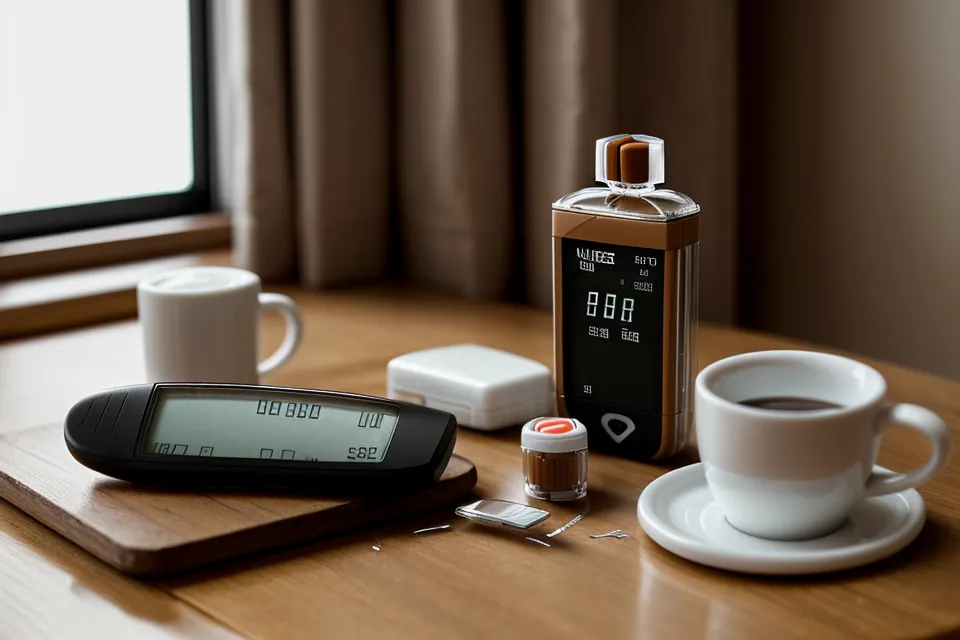
The real shift came when I stopped assuming the morning pill was pulling the weight. My fasting number turned out to be more sensitive to what happened the evening before than to anything I swallowed after waking up, and once I moved my last dose of the day to right before bed instead of first thing, my morning readings got steadier — not dramatically lower overnight, just more consistent week to week. I wrote about a related frustration in an earlier post on why my fasting blood sugar was high even after a good night's sleep, and this experiment lined up with a lot of what I'd already suspected.
A reader named Nadine Wortman emailed me partway through this stretch, after finding the site through a search about dawn phenomenon, and her own tracking put mine to shame — she logs more granular detail on her morning numbers than I bother with on my own. Her question was simple: did changing when she took a supplement matter as much as changing what she took? Based on what I saw in my own data, timing mattered more. What actually counts as a solid fasting baseline, separate from any single good or bad morning, is a longer conversation I've had in its own post, and the same goes for reading an A1C number itself — that's an audit all its own, not something I can fairly compress into a paragraph here.
Does It Even Matter Which Supplement You Take?
Some of it does, but less than the marketing suggests. I ran a separate stress test on a single high-carb meal a while back — I wrote that up as the bagel test I did a while back — and the lesson repeated itself: the timing of the stress on my system mattered more than which bottle was sitting on the counter that day. Post-meal spikes behave differently than fasting numbers anyway, with their own patterns I've tracked in a separate report, so I'd rather not conflate the two here. Stress by itself can move a fasting number too — a rough week at the shop, a supplier call that runs long — and that's something I've dug into on its own rather than folding it into this one.
Hidden sugar showing up in food that looks perfectly safe on a label is a different rabbit hole entirely, one I went down in its own post after getting burned by a "clean" dinner that didn't act like one. None of that changes the core finding here: the supplement matters less than people want it to, and the schedule around it matters more.
What This Audit Didn't Cover
Sleep quality plays into these morning numbers more than the supplement aisle wants you to think, something I got into in more depth in the sleep-glucose connection — worth a read if a rough night keeps showing up in your fasting number the next day.
Whether the numbers would drift back up if I stopped berberine and Ceylon cinnamon entirely is a question worth its own experiment, and I ran that one separately rather than folding it into this report.
The Real Lever For A Better Fasting Number
Managing a fasting number, it turns out, works a lot like running the parts counter — you don't get to blame one bad sales month on a single ad campaign, and you don't get to credit one supplement for a steadier morning reading either. The variable that actually moved my numbers wasn't which bottle I bought; it was when I took the last dose and what my evenings looked like. If you're chasing a lower fasting number and the supplement isn't budging it, check the timing and the evening habits before you swap products again — that's the one thing I'd tell anyone starting this same audit.
This site documents one person's experience and should not be treated as expert advice. Your circumstances are unique — please consult a qualified professional before making any decisions about your health or finances.