
Late one evening in the kitchen, mid-November last year, I sat under the fluorescent lights with three different 'glucose support' bottles open, wondering why my fasting numbers were higher than when I took nothing at all. It felt like running a business where the overhead costs were somehow eating the revenue before the doors even opened. I had been at this for about a year, ever since a routine physical turned into a crash course in metabolic health when my doctor told me I’d hit a 5.7 A1C.
For those who haven’t spent their nights in a Google rabbit hole, 5.7 is the exact threshold where prediabetes officially begins. To me, it was just a number on a lab report until I realized it meant my body’s internal accounting was failing. I’m a small business owner in suburban Atlanta; I live and die by spreadsheets, inventory tracking, and ROI. If a vendor is overcharging me for shipping, I notice. But here I was, pouring money into supplements that seemed to be moving my numbers in the wrong direction.
The Shock of the Initial Audit
When I first walked out of that doctor’s office, I didn’t know an A1C from an ABC. I just knew I didn't want to be 'that guy'—the one who couldn't handle a slice of peach cobbler at the neighborhood BBQ. My initial response was what I call the 'shotgun approach.' I bought every herbal supplement that had a five-star rating and a green leaf on the label. I was taking a cocktail of six different capsules every morning, assuming that more 'natural' stuff equaled more health. It was bad management, plain and simple. I wasn't tracking variables; I was just throwing capital at a problem and hoping for a turnaround.
I started obsessing over my fasting glucose, which the Mayo Clinic generally says should be under 99 mg/dL for a normal reading. My readings were hovering around 108, even on days when I was 'being good.' It didn't make sense. I’m not a doctor or a nutritionist—I’m just a guy with a glucose meter and a growing collection of supplement bottles on my kitchen counter that my wife calls my 'second business.' But as any business owner knows, when the numbers don't add up, you have to look at the line items.
The Discovery of the 'Hidden Overhead'
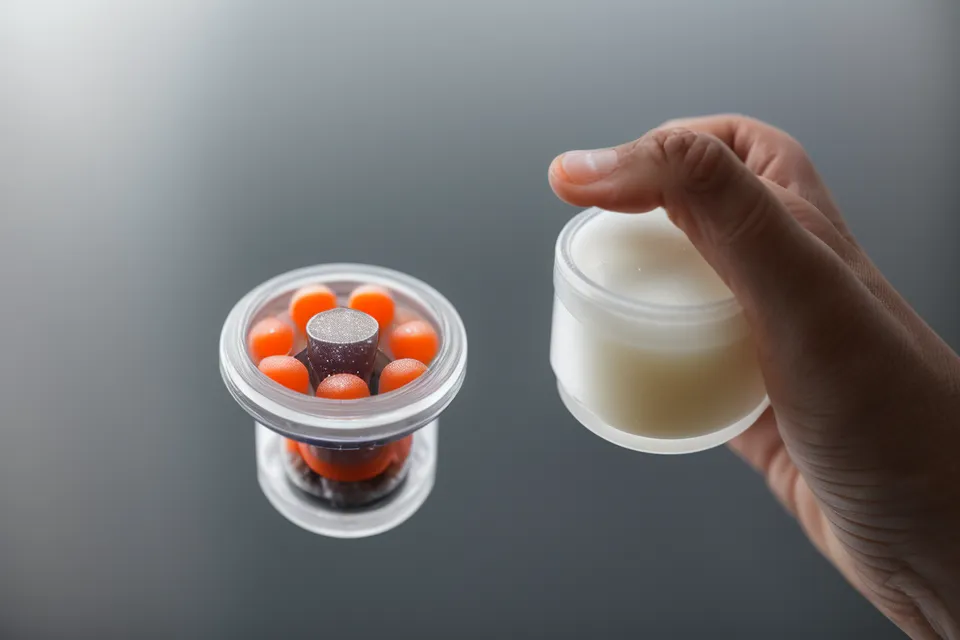
The turning point happened in early spring. I was staring at a bottle of expensive 'herbal gold' I’d ordered online and realized the first ingredient listed wasn't the exotic root promised on the front, but actually brown rice flour. It was a classic 'filler' used to bulk up the capsule. Now, rice flour is basically a fine-tuned carbohydrate. In a standard Size 00 capsule—which has a volume of about 0.91 milliliters—there isn't a massive amount of it, but when you're taking six capsules a day, you're essentially micro-dosing the very stuff you're trying to avoid.
I started noticing a pattern: I’d take my 'glucose support' capsules, and thirty minutes later, my meter would show a 10-point jump. It wasn't the herbs; it was the delivery vehicle. Most supplements focus on fasting glucose, but they often fail to address the more dangerous post-meal glucose spikes caused by modern processed food additives, including the ones inside the supplement itself. It was like paying a consultant who charges you more in travel fees than the value of the advice they give you.
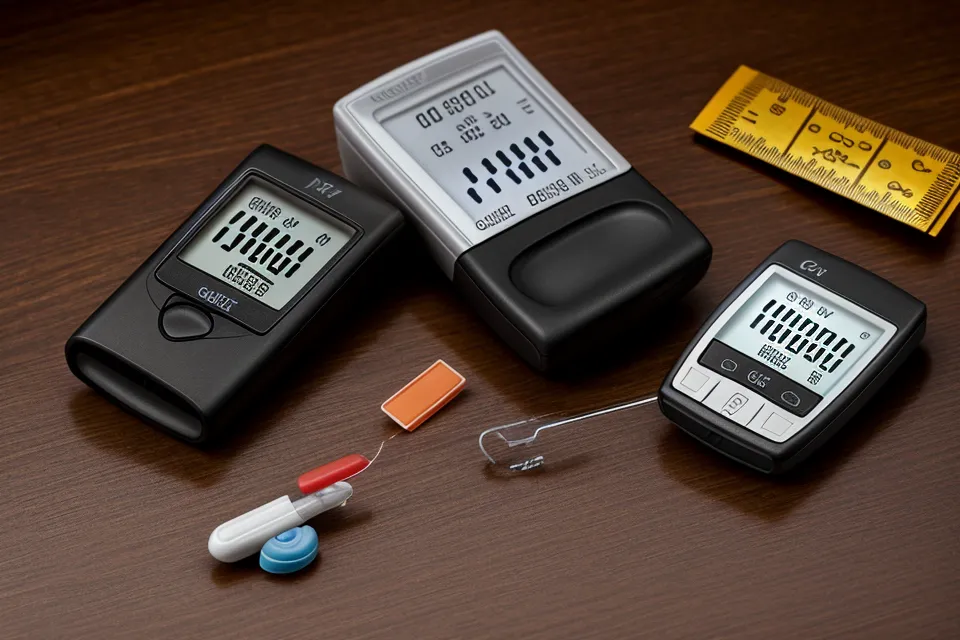
I remember the sharp, metallic click of the lancing device followed by the tiny red bead of blood reflecting the kitchen lights as I tested this theory. I stopped the 'herbal gold' for three days, and my morning numbers dipped back toward that 99 mark. I felt like I'd caught an employee skimming from the till. It wasn't a huge amount, but it was enough to mess up the year-end reports.
The One-at-a-Time Protocol
By the time one humid July morning rolled around, I had completely overhauled my testing method. I realized I couldn't test a 'blend' and know what was working. I needed to isolate the variables. I went to a strict 'one-at-a-time' protocol, stripping back the cocktail to find which single ingredients actually moved the needle on my meter. This is where I really started testing natural support after a year of monitoring my glucose with a bit more discipline.
I learned to look for 'flow agents' like magnesium stearate and fillers like rice flour or maltodextrin. These are common in the industry because they make the manufacturing machines run faster, but they don't do anything for the end-user. In fact, for someone like me who is sensitive to every little spike, they were a net negative. I started seeking out supplements that used cellulose or were in liquid form to bypass the filler trap entirely. I even wrote a bit about liquid drops or daily capsules and what my kitchen counter taught me about managing those A1C numbers.
Measuring the ROI of My Countertop Lab
After about six weeks of consistent logging, the data was undeniable. When I removed the capsules filled with rice flour, my post-supplement spikes vanished. My fasting glucose became more predictable. I wasn't just 'watching my sugar' anymore; I was auditing my intake with the same precision I use to check my monthly P&L statements. I’ve become the guy who brings his own almond-flour-wrapped snacks to neighborhood cookouts, and honestly, I don't care about the jokes. The data doesn't lie, and the peace of mind is worth a little social ribbing.
It’s important to remember that the FDA doesn't approve dietary supplements for safety or effectiveness before they hit the market. You are essentially your own quality control department. I’m not a health professional, and you should definitely talk to your own doctor before changing your routine—especially if you're already on medication. But from my perspective, treating your health like a business means you don't accept marketing claims at face value. You verify the results with your own equipment.
My kitchen counter has gone from a chaotic pharmacy to a streamlined lab. I’ve learned that sometimes the best 'support' is actually the absence of unnecessary additives. It’s about finding the high-quality 'vendors'—the supplements that provide the active ingredients without the operational bloat of fillers. If you're struggling to get your numbers to settle, take a close look at the back of those bottles. You might find that your 'support' is actually part of the problem.

Final Thoughts from the Spreadsheet
Looking back at the past 18 months, the biggest lesson wasn't about a specific herb or a 'miracle' pill. It was about the value of the feedback loop. My glucose meter is the most honest business partner I’ve ever had. It doesn't care about the branding or the 'natural' claims; it only cares about what’s actually hitting my bloodstream. I’ve found that my tracking of supplements that actually impacted my fasting glucose became much easier once I stopped fighting the fillers.
I still have a spreadsheet with dozens of entries, tracking every meal and every pill. It’s a bit obsessive, sure, but it’s how I keep the 'business' of my body out of the red. When you start seeing those numbers move from 108 down toward 95, or when that A1C starts creeping back away from the 5.7 line, the ROI becomes very clear. It’s not about being perfect; it’s about being informed. And being informed starts with reading the fine print on the back of the bottle, not just the promises on the front.
This site documents one person's experience and should not be treated as expert advice. Your circumstances are unique — please consult a qualified professional before making any decisions about your health or finances.