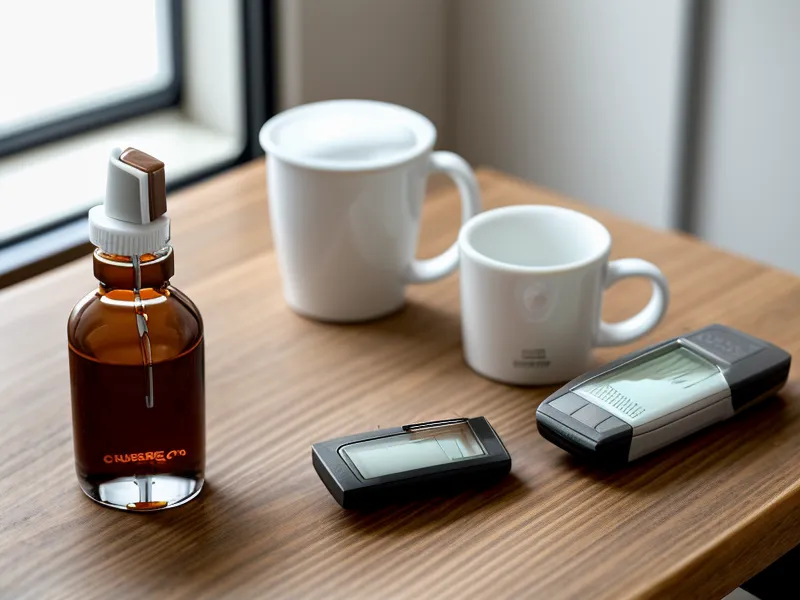
Snacks marketed as "clean" often send my glucose meter higher than foods I gave up outright once my A1C crossed into prediabetic territory. I don't have a tidy answer yet, but managing prediabetes has taught me to run my own office snack audits with a meter in hand before restocking a desk drawer. Hidden sugars don't sit where the box tells you to look, and glucose testing is the only tool I've found that catches them before they catch you.
Prediabetes management sounds clinical until you're standing at your own kitchen counter reading a wrapper you can't fully parse. When my A1C first crossed into that range, I cleared out the obvious offenders — chips, soda, white bread — and restocked with bars, clusters, and anything labeled "slow-release energy." One of the first things I tried was swapping white bread for whole wheat, on the theory that a "healthier" carb would flatten my post-meal numbers. It didn't move them at all — the wrapper just changed color from white to brown.
A stall at Ponce City Market's food hall is where I picked up one of the worse offenders, a "keto-certified" protein cookie that read like a diet food and spiked like a candy bar. That single purchase is what got me pulling wrappers back out of the trash instead of tossing them the moment the snack was gone.
My fasting readings had already leveled out by the time this particular audit started — something I covered in more depth in my notes on CGM vs. Finger Pricks — but my afternoon numbers were still a mess, and that gap is what sent me digging through the recycling bin for every wrapper I'd tossed that month.
The Alias Problem: How Hidden Sugars Hide Behind 'No Added Sugar'
Sugar rarely shows up on a label as "sugar" anymore. Tapioca syrup, concentrated apple juice, brown rice syrup — these are the aliases food companies use to keep the word off the front of the box while it still shows up in your bloodstream. My favorite "natural" bar carried sixteen grams of sugar once I actually read the panel — about four teaspoons packed into something the size of a business card. None of that showed up in the marketing copy.
Maltodextrin is the alias that surprised me most. It usually gets listed as a thickener, which sounds harmless enough, but maltodextrin can carry a glycemic index higher than table sugar. I have zero medical training and I'm careful not to pretend otherwise, but my meter doesn't care about front-of-box marketing — a snack labeled "organic brown rice syrup" still reads like a candy bar dressed up for a nicer neighborhood.
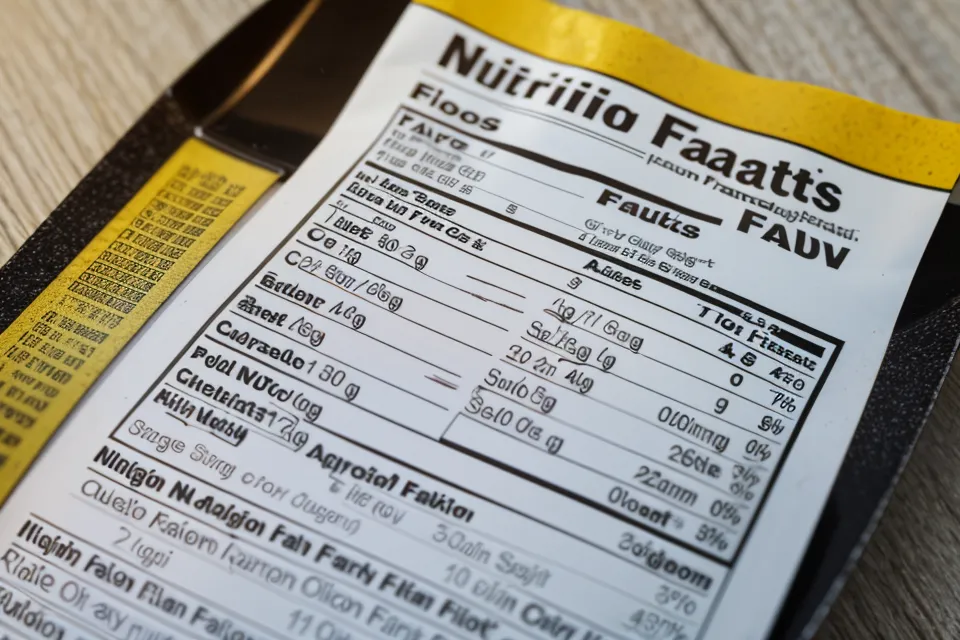
Auditing an Office Snack Label Like a Line Item
Randall Kovic, a business acquaintance who treats every decision — health included — as a return-on-time calculation, is the one who talked me into reading a nutrition panel the way I read a lease: line by line, never just the headline. My rule now is simple. If the ingredient list runs past five items I can't pronounce, or if two sweetener aliases show up in the first five ingredients, I treat the product as a full-sugar snack no matter what the front of the box claims.
Serving size is the second trick worth checking. A bag that looks like a single snack often lists two or three servings inside, which quietly triples the sugar count if you eat the way most people actually eat at a desk — meaning the whole bag in one sitting. I started weighing my own assumptions against my glucose testing results instead of trusting the suggested serving on the box, and that's where the real gap showed up.
This is a different kind of test than the thirty-day supplement trials I usually run — a snack audit plays out in a single afternoon, not a full testing cycle. It's also a separate question from how I read my own A1C number, or from the baseline patterns in my fasting readings — both of those get their own reports. What a snack audit measures is narrower: does this specific wrapper spike me, and by how much.
What My Glucose Testing Turned Up on Three 'Healthy' Snacks
I ran the same comparison three ways. A "superfood" bar took me from 102 mg/dL before snacking to 165 mg/dL at the peak, with a foggy stretch afterward that made it hard to finish anything requiring real focus. A "keto" cookie went from 97 mg/dL to 158 mg/dL — a surprisingly high spike for something marketed on having almost no net carbs, and I suspect the added fiber was doing less work than the label implied. A handful of walnuts with a hard-boiled egg moved me from 101 mg/dL to just 108 mg/dL — barely a blip, for less than a dollar, and I stayed sharp enough to sit through a three-hour meeting without needing a nap.
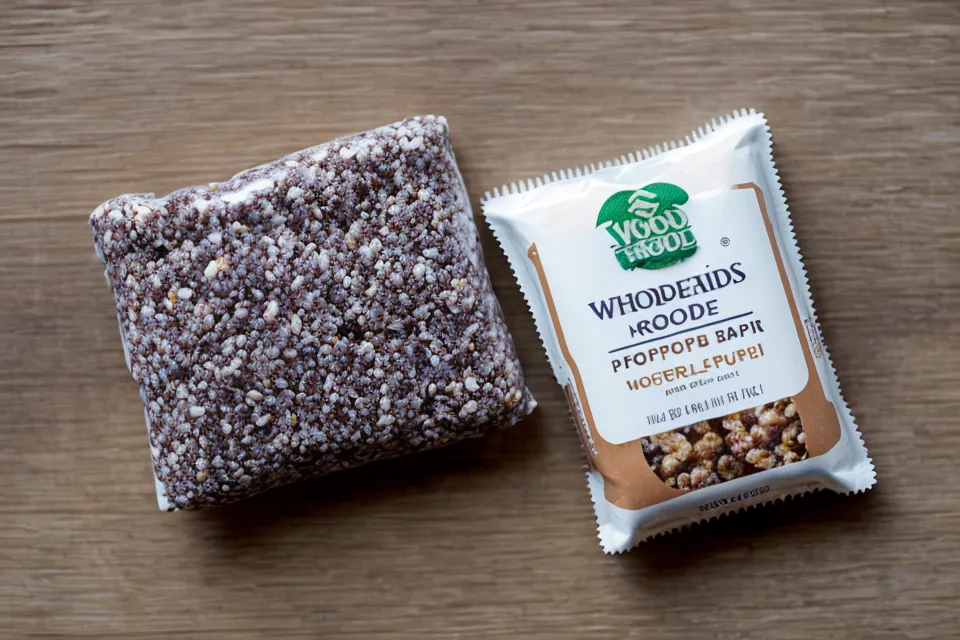
The gap between the walnuts-and-egg line and the two "healthy" snacks is the whole argument in one comparison — plotted, a little embarrassingly, on the same spreadsheet tab I use for quarterly numbers. Both bars carried more credibility on the front of the package than the egg and walnuts combined, and both cost more per serving. Neither earned it.
Why the Craving Outlasts the Spike
Cutting these snacks is harder than the numbers alone would suggest. Around mid-afternoon, focus dips and the pull toward the drawer shows up like clockwork, even after the drawer itself has changed. That's the part nobody puts on the label — the spike gives you a short, cheap lift, and when it wears off your attention wants another one, like a loan that comes due faster than you'd like.
Order the identical lunch at Hudson Grille twice and you can watch the difference play out on paper. One visit landed at 127 mg/dL two hours out; another landed at 151 with the same sandwich, same portion, same walk back to the office — the only variable was whatever I'd grazed on at my desk that morning. That's a cleaner comparison than most of what passes for evidence in this category, and it didn't take anything more than a meter and a few minutes with a spreadsheet.

Building an Office Snack Drawer That Passes the Audit
Whole foods now get first refusal in my office. Anything wrapped in more than five ingredients, or ingredients I can't say without sounding like I'm reading a chemistry syllabus, doesn't make it past the front door. I've become the guy who brings celery and almond butter to a lunch meeting, and the odd looks stopped registering a while back.
A reader named Donna Hirsch emailed me after an earlier piece about how my own numbers first went sideways, and she has a habit of quoting her doctor word-for-word every time she checks in — this time it was something close to "watch what's hiding in the healthy aisle, not just the junk food aisle." That's most of this audit in one sentence, and it's the same instinct behind why my glucose meter tells a different story than the supplement labels — read the panel, not the packaging.
None of this replaces checking your fasting numbers first thing every morning, which runs on its own set of rules. What a snack audit does replace is guesswork about what happens two hours after eating, and pairing the audit with a short walk afterward — a habit I picked up from the post-dinner walk experiment — flattens most of what a hidden-sugar snack throws at you.
Auditing your own snack drawer isn't glamorous, and it won't replace an actual conversation with your doctor about what your numbers mean for your case. But treating an ingredient panel like a line item instead of a marketing pitch is the cheapest quality-control measure I've found — cheaper, certainly, than any bar that ever sat in that drawer.
This site documents one person's experience and should not be treated as expert advice. Your circumstances are unique — please consult a qualified professional before making any decisions about your health or finances.
This site documents one person's experience and should not be treated as expert advice. Your circumstances are unique — please consult a qualified professional before making any decisions about your health or finances.