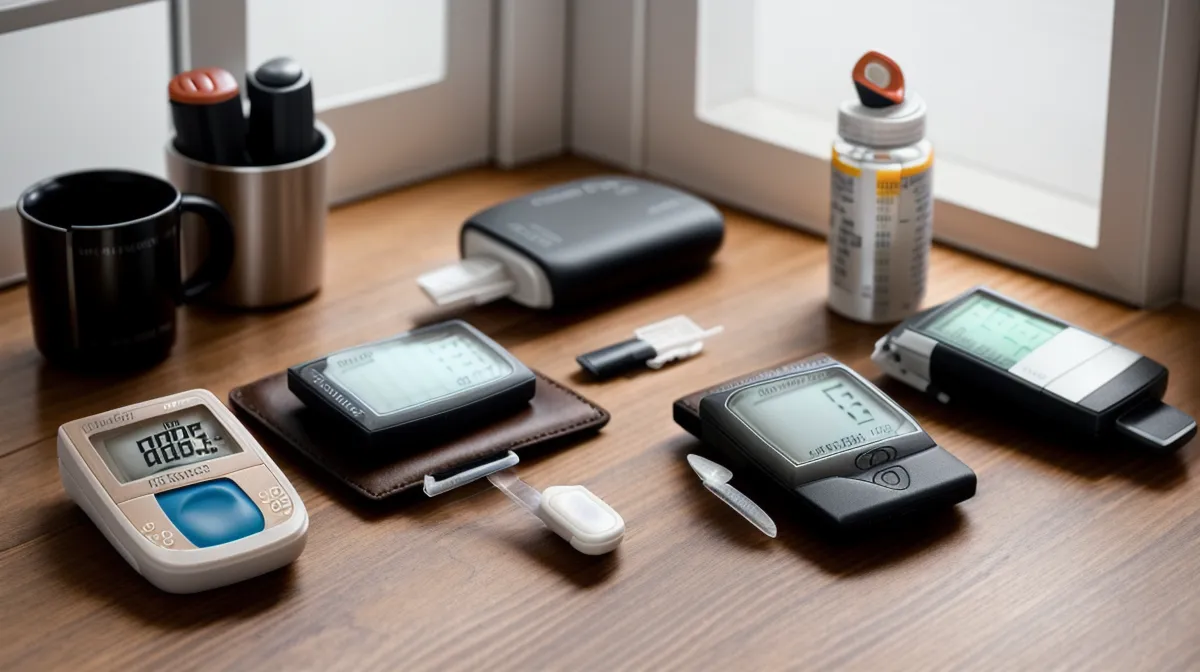
Which is the bigger warning sign on a supplement bottle: a filler ingredient buried near the bottom of the list, or the words "proprietary blend" printed above a dosage that never shows up anywhere on the label? That's the actual dividing line in my supplement testing these days, more than any star rating or influencer endorsement ever was. Two bottles can promise the same thing — steadier glucose management, a calmer number after lunch, a shot at staying out of full prediabetes territory — and still deserve completely different verdicts once you flip them over and read the fine print.
That question started mattering the afternoon a doctor flagged my A1C just over the prediabetes line and sent me home with instructions to "watch my sugar" and nothing else — no target, not even a mention of the familiar 99 mg/dL fasting ceiling I'd later learn to watch for on my own. Label reading turned out to be the actual skill I had to learn, and it's become the backbone of my supplement testing now, more than any tracking spreadsheet or glucose meter on its own could ever be. What that A1C number actually means once you stop panicking about it is a separate breakdown I've written up elsewhere; here I only care about what happens after the diagnosis, standing at the supplement shelf trying to tell two bottles apart.
The Filler Line vs. the Active Line
Every ingredient list has two halves, and most people only read the first one. The top half is the marketing half — the herb or root the company wants printed on the front of the bottle too. The bottom half is where fillers hide: rice flour, silicon dioxide, and the one that actually cost me a few confusing weeks of readings, maltodextrin. Ingredients are supposed to appear in roughly the order of how much of each is actually in the capsule, which means something listed third or fourth isn't a trace amount — it's a real share of what you're swallowing.
A blend I tested early on had maltodextrin sitting a few lines down the list, and I didn't think much of it until my fasting number jumped well past where it usually sits — enough of a jump that I went back and reread the label with actual attention instead of skimming it the way I'd skim a gas-station nutrition panel. That's when the glycemic index of a filler started to matter as much as the dose of whatever active ingredient was supposedly doing the work. I won't rebuild the whole ingredient-mechanism case here since I've already done that elsewhere, ingredient by ingredient, but the short version is: a cheap filler can undo an expensive active before it ever gets the chance to do anything.
Terrence, my old college roommate who now treats my testing setup like it's up for a compliance review, is the one who first pointed out that I'd been blaming the wrong variable that round; I'd assumed the herb was doing something unusual, when the real culprit had been sitting in plain sight three lines down the label the entire time. He's occasionally insufferable about it, but he's usually right, which is the annoying part of having a friend who reads things twice.
Losing faith in labels altogether — the point where you stop trusting even the ones with a green leaf stamped on front — is a longer story I've told in a separate post, the same one where I laid out tracking notes from a year of testing labels and droppers in more detail than anyone probably wants. Here, the pattern that matters is narrower: a filler ranked above the actives beats any promise on the front of the bottle, full stop, regardless of what the active ingredient claims to do.
Is "Proprietary Blend" Automatically a Red Flag?
Proprietary blend sounds like a secret recipe, and for a marketing department that's exactly the intent. For someone trying to correlate a supplement with an actual glucose number, it reads closer to a locked invoice — you get the total, never the line items. A vendor who won't disclose milligrams isn't necessarily hiding something disastrous, but there's no way to know whether the active ingredient is dosed enough to matter or whether it's a token amount dusted over a cheap base powder.
A reader named Nadine Wortman emailed me a photo of a label a while back, asking whether "proprietary blend" alone should be enough to send a bottle right back. She usually gets a reply from me within the hour, but only if I happen to catch her message during her lunch break — otherwise it sits until the next one. My answer to her was the same one I'd give here: it depends what else is on the label. A blend with three ingredients and a combined dose you can still estimate against what's typical is a different animal than five ingredients with no total weight given at all.
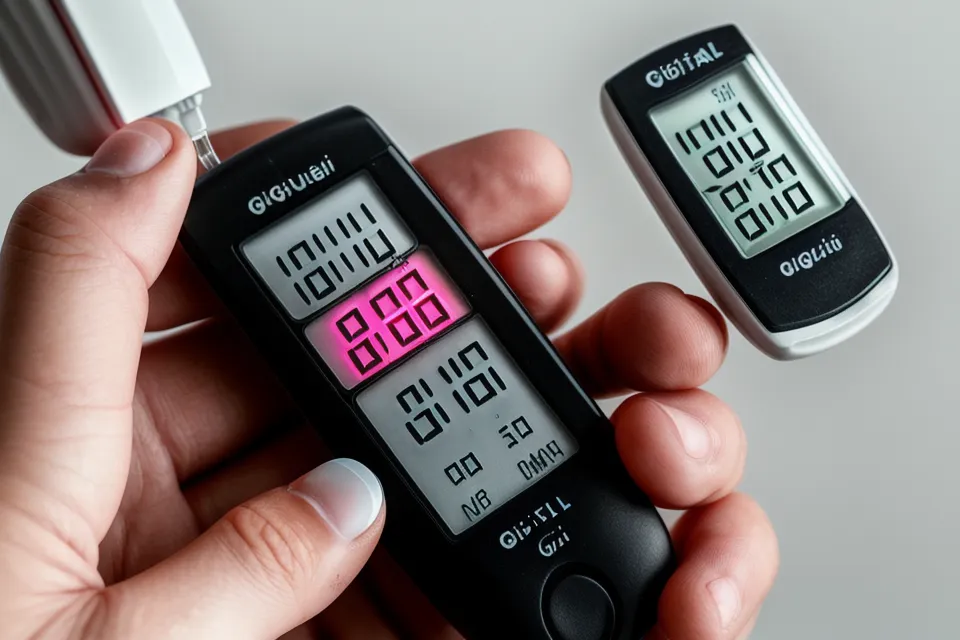
The clearest data point I've got for the other side of that argument came from a working lunch at Ponce City Market's food hall, plate stacked from three different stalls, nothing careful about the order. Right after that familiar rubbing-alcohol smell off my fingertip in the half-second before the strip catches the drop, my meter read 127 instead of the 151 I'd come to expect after a meal like that one. The only variable that had changed that week was a fully-dosed formula I'd started a few days earlier. One reading doesn't prove a formula works, but it's exactly the kind of result a proprietary blend could never earn credit for, since there'd be no way to know which ingredient, if any, deserved it.
My doctor, for what it's worth, only started asking real questions about my routine once I stopped pointing at a bottle and started showing him actual numbers instead — my doctor was much more interested in my lab results once there was something specific to react to, rather than a vague list of capsules he'd never heard of.
Standardized Extract or Whole-Plant Powder: Which One Shows Up on the Meter?
Standardized extract used to sound like the safer bet to me — a guaranteed percentage of one active compound, no guesswork involved. Whole-plant powder sounded like the amateur option by comparison. My own side-by-side comparisons haven't been that tidy. More than once, the heavily processed extract sat on the shelf for weeks without moving a single post-meal reading, while the rougher, less concentrated whole-plant version did something I could actually see on the meter. What actually blunts a post-meal spike, and by how much, is a full experiment I've run separately and won't repeat here — this comparison is only about which format got any result at all.
I don't have a tidy mechanism to offer for why that keeps happening, and I'd rather say that plainly than invent one — I'm not a chemist, and pretending otherwise would be worse than admitting I just don't know yet. It's the same open question I ran into while comparing the best magnesium for blood sugar support after months of testing different forms: the extract looked better on paper, the less-refined version did more in practice.
Terrence's other favorite complaint is that none of this is a controlled trial — one person, one meter, no placebo, no blinding — and he isn't wrong about that either. My actual testing protocol, fixed meal timing and a real washout period between products, is written up in more detail in a separate log; what I'm doing here is just comparing outcomes, not running a clinical study.
Apple cider vinegar shots were the clearest example of that gap between a real test and a hunch. I did them every morning for three weeks at one point, fully convinced I was onto something, until Terrence asked what exactly I thought I was isolating when I'd also changed two other things that same month. He was right to ask. The shots came out of the rotation — my fasting numbers hadn't moved enough to justify the daily wince, and I couldn't honestly credit them even if they had.
Reading the Label Like a Contract, Not an Ad
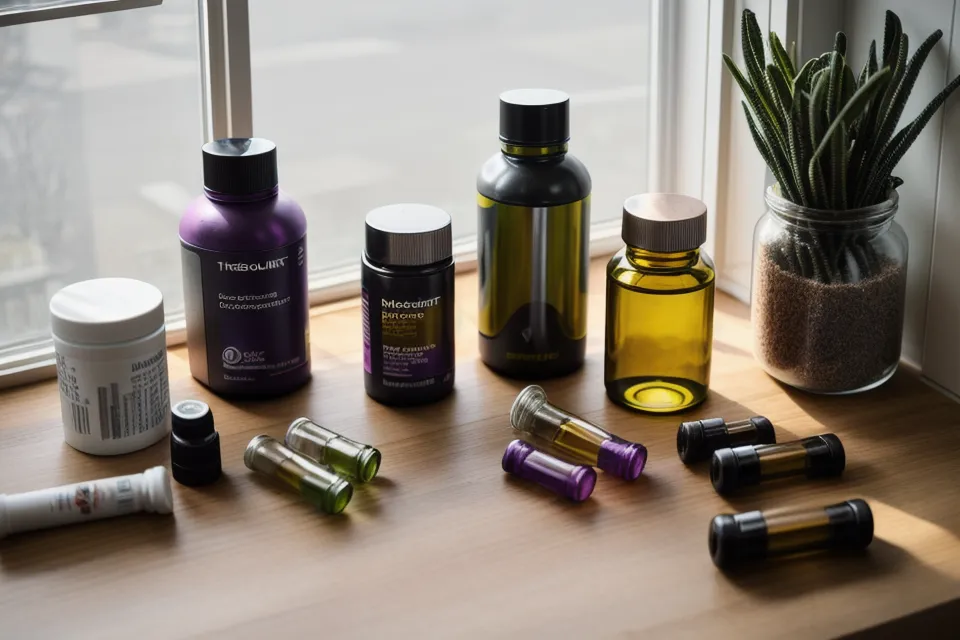
A label is closer to a contract than an advertisement, and I read it the same way I'd read a vendor agreement for my business: what exactly is promised, in what quantity, and what happens if it isn't delivered? Three things earn a bottle a hard pass from me now — a filler ranked above the actives, a proprietary blend with zero individual dosing anywhere on the page, and a claim printed in a bigger font than the actual ingredient panel. None of those require a lab to catch. They just require reading the back before the front.
Two other numbers still anchor all of this for me, even outside the supplement question. My fasting baseline — what actually counts as a normal morning number versus a rough one — is a separate conversation I've had in more depth elsewhere, though I still watch my own reading against that same ceiling out of habit. Whether a continuous monitor would catch patterns a finger prick misses is a genuinely open question, and one I've argued out in a separate post rather than this one.
Sleep is the variable I underrate the most, and how a rough night shows up on the meter the next morning deserves its own write-up rather than a paragraph tacked onto this one. Hidden sugar in food that doesn't taste sweet at all is a related blind spot — its own audit, not this one — but the instinct behind both is the same: read past whatever the product wants you to notice first.
Two Bottles, Same Aisle, Different Verdicts
So here's where comparing bottles side by side has actually landed me. A filler ingredient ranked above the actives is a pass, regardless of price or marketing — that's not really a judgment call, it's just arithmetic once you see where it sits on the list. A proprietary blend with no dosing information is also a pass, not because it's guaranteed to be useless, but because there's no way to attribute a result to it one way or the other. A fully-dosed formula that simply hasn't moved my numbers yet is a different case entirely — that's not a red flag, that's just a result, and it stays in rotation while I keep logging it.
I keep a spreadsheet column for exactly this kind of comparison, which is more spreadsheet than any reasonable person needs for the simple act of reading a nutrition label, and I update it anyway every time a new bottle lands on the counter. My wife still calls the whole operation my second business, and she's not wrong — at this point I've stopped arguing the description. The only real question left with any two bottles in front of me is which one actually deserves a spot on the shelf, and that answer almost always comes from the back label, never the front.
This site documents one person's experience and should not be treated as expert advice. Your circumstances are unique — please consult a qualified professional before making any decisions about your health or finances.