
A five-day fasting average of 103 is the best stretch I've logged since I started running magnesium through the same testing process I use on everything else I've tried. That number didn't come from luck. It came from months of supplement testing after a routine physical flagged my A1C as prediabetic and my doctor told me to watch my sugar. Magnesium turned out to be the ingredient I circled back to more than any other, and this is the technical rundown of what I actually check before a bottle earns a spot in my rotation, not just the marketing copy on the label.
Quick disclosure before we get into it: this site runs on affiliate links, and if you click through to a product I mention and buy something, I earn a commission at no extra cost to you. Every product below is one I bought myself and tracked with my own glucose meter — I'm not a doctor, not a nutritionist, just a small business owner who started pointing his tracking habits at his own biology. Talk to your own doctor before changing anything based on what's here.
My doctor's exact words were to watch my A1C, which meant nothing to me until I looked it up that same afternoon and found out how close that number sat to a very different conversation. Magnesium kept surfacing in nearly everything I read about blood sugar supplements, more than any other single ingredient, which is why it became the one I tested more carefully than the rest, and if I'm being fair to my wife's running joke, the reason a spreadsheet took over half my laptop screen for a while.
The Magnesium Label Test I Run Before Anything Goes in the Cart
Reading a magnesium label is closer to reading a line item on an invoice than most people expect. The front of the bottle almost never tells you what matters. The back panel does, specifically the elemental magnesium amount per serving and the form it's bonded to. Glycinate, citrate, and oxide all show up as "magnesium" in bold letters up front, but the fine print determines whether you're paying for filler or for the actual mineral. Labels have burned me before in ways that deserve their own full accounting elsewhere, but for magnesium specifically, here's the shortlist: check the elemental amount, check the form, and skip any bottle that buries both inside a proprietary blend. Food labels hide a version of this same problem: sugar wearing a dozen different names, but that's its own separate project from a supplement label.
My first purchase skipped every one of those steps. I grabbed the cheapest bottle at a big-box store, the kind listing magnesium oxide as its only form, and tracked it for weeks expecting some kind of shift in my fasting numbers.
Nothing moved. Not for two weeks, and not really after that either. That mistake taught me more about reading a supplement label than any bottle that actually worked, which is probably the least expensive lesson I've paid for in this whole process.

Chelated or Mineral Salt — Which Earns Shelf Space in a Blood Sugar Supplement?
Once I understood the label, the next decision was form. Chelated forms, the ones bonded to an amino acid, tend to sit easier and get absorbed more reliably than plain mineral salts like oxide. That's the practical difference I noticed on my meter, not a claim about what happens inside the gut. Fasting numbers are their own separate puzzle, especially the mornings they run high before I've even had coffee, and that pattern deserves its own write-up rather than a detour here. Post-meal numbers two hours after dinner tell a completely different story than fasting ones do, which is a comparison worth tracking on its own rather than folding into this one.
Switching to a chelated form was the first change that showed up consistently on my morning readings — not dramatically, but often enough that I stopped second-guessing it. All of this comes from a standard finger-prick meter, not a continuous monitor, which is its own comparison for another time. What I can say plainly is that the mineral-salt bottle still sitting untouched in my cabinet is proof enough that form matters more than the word "magnesium" printed in bold on the front.
Sugar Defender: The Liquid Formula That Actually Stuck
Every supplement I test gets the same protocol regardless of what's in the bottle. The process itself is a longer story I've told elsewhere, but the short version is that a testing window needs to outlast your own noise, not just your patience. After two years of putting bottles through this same process, guarantee length is the first spec I check now, before I even look at the ingredient list.
Keto was my first attempt at moving those numbers, long before I touched a magnesium bottle, and it's a good example of why a short test window is misleading. I stuck to a strict version of it for thirty days, and my fasting numbers barely moved past the two-week mark, which either meant keto wasn't the lever for me, or that two weeks wasn't enough runway to see it work. I never found out which, because thirty days was already more restriction than I was willing to keep testing.
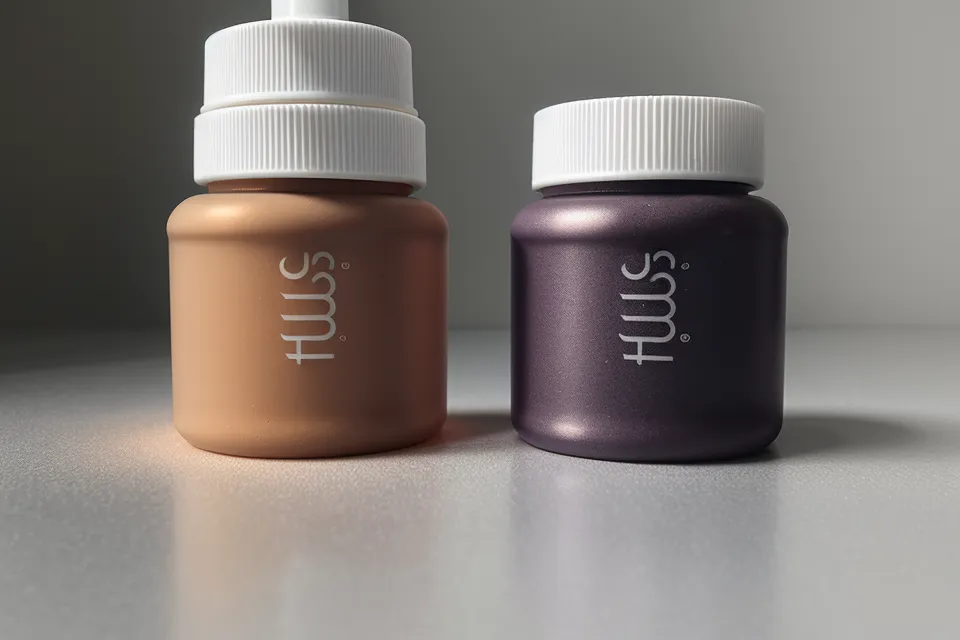
That's the backdrop for why Sugar Defender earned so much of my rotation once I switched from capsules that felt like swallowing gravel to liquid drops mixed into water. The label lists 24 plant-based ingredients with no synthetic fillers, and its own listed downside is that consistent changes can take three to four weeks to show up, which lines up with why a short guarantee window is close to useless. My A1C's three-month window means a guarantee shorter than that barely gives you one honest look, while the 180-day guarantee here covers close to two full lab cycles, long enough to actually watch a trend instead of guessing at one. The dropper is a little fussy before coffee, and it's only sold through the official site, but neither got in the way of keeping it in rotation.
Gluco6 and GlucoBerry: The Runner-Up and the Budget Pick
Gluco6 took a different route with chromium and an ingredient called sukre instead of the cinnamon-heavy formulas that show up everywhere else in this category. Capsules meant a simpler daily routine than drops, though the guarantee window is shorter at 60 days, and it costs more than some competitors while carrying fewer independent reviews to weigh against. What convinced me Gluco6 deserved a full trial run was how steady it kept my baseline, even without the same fast-acting feel the liquid gave me.
GlucoBerry approaches the category from another angle, using maqui berry extract rather than anything aimed directly at insulin. It's a simpler one-capsule dose and a lower price point, which makes GlucoBerry a reasonable entry point if you're just starting your own testing, though its own listed downside is that results take longer to show, upward of six weeks by that account. None of these three ingredient stories are ones I'll unpack further here. How supplement ingredients supposedly do what they do is a deeper rabbit hole than a label test can cover, and it deserves its own write-up rather than a rushed paragraph.
Fasting numbers that stay high overnight are their own version of this same puzzle. I've written elsewhere about why fasting blood sugar can stay high after sleep, and sleep plays its own role in those readings too, a connection that deserves a longer look than one paragraph can give it. Not every elevated number traces back to what you took the day before.

The One Rule My Prediabetes Testing Taught Me
A neighbor who coaches youth soccer on Saturday mornings asked me last week which magnesium he should buy, expecting a one-word answer. I didn't have one. What I gave him instead was the same rule I've landed on after all this: check the elemental amount and the form before anything else, then give whatever you pick a testing window long enough to actually mean something, not just long enough to lose patience.
That five-day average of 103 didn't come from a screen. It came from a pen catching slightly on the page each time I logged a new fasting number into its column, before typing it into the spreadsheet my wife still gives me grief about. It didn't come from any single bottle either. It came from stacking a decent magnesium form on top of decisions I'd already made about testing windows and label reading.
Whether you land on the fast-acting liquid of Sugar Defender or the kidney-focused angle of a budget-friendly option instead, the rule stays the same: check the label, then give it a window long enough to actually see the result on your next lab report. If you're deciding between the liquid drops, the capsule with chromium, or the lower-cost berry extract, my actual recommendation is to start with whichever fits your daily routine well enough that you're still taking it two months in, because the best supplement on paper is worthless sitting half-full in a cabinet. Sugar Defender is still the one I'd point a first-timer toward, given its guarantee length and how easy the drops are to keep up with daily. You can check it out here if you'd rather start your own testing log than take my word for it.
This site documents one person's experience and should not be treated as expert advice. Your circumstances are unique — please consult a qualified professional before making any decisions about your health or finances.