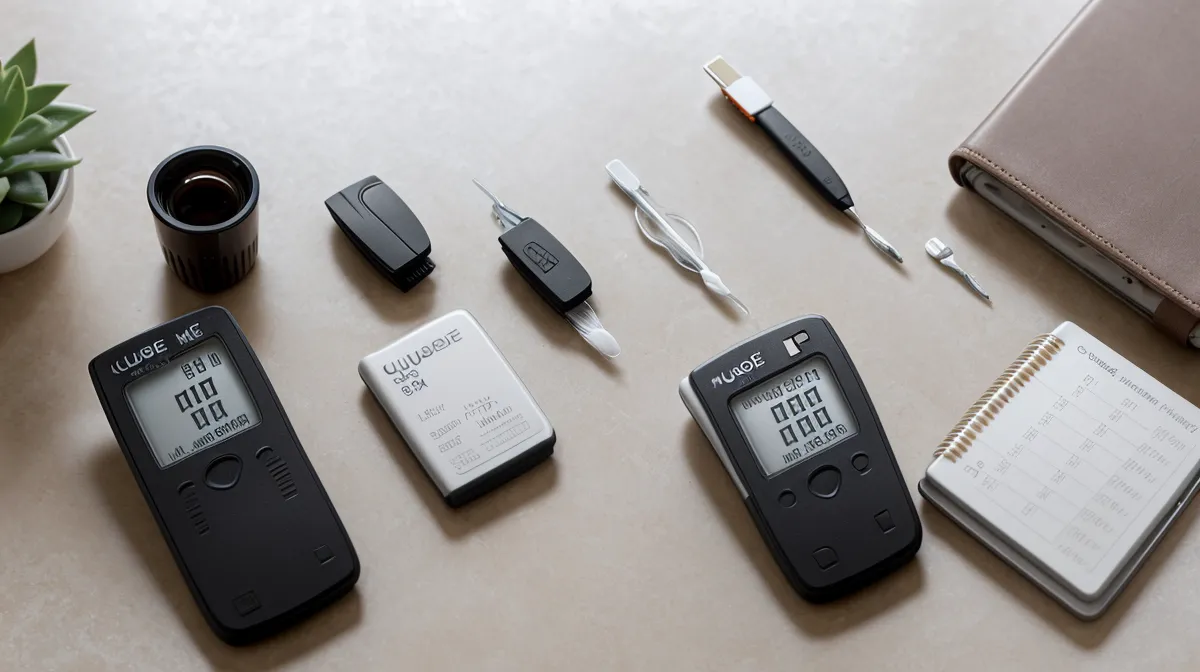
A fingerstick meter captures one drop of blood at one instant — nothing about the ten minutes before it or after it. That gap is the entire weak spot in home blood sugar monitoring, and it's why a screen can flash a calm, normal-looking number while your body is sending a completely different message. This is the uncomfortable truth I ran into once my own numbers edged into prediabetes range: glucose meter accuracy isn't the same thing as a full metabolic picture, and treating the two as interchangeable is where most people get fooled.
Quick business note before we get into it: this site runs on affiliate links, including ones for Sugar Defender, a supplement I've tested myself. If you click through and buy something, I earn a commission at no extra cost to you — I'm not a doctor, just a guy who started treating his own glucose numbers like a line item on a spreadsheet, and nothing here replaces an actual conversation with your physician.
Why Glucose Meter Accuracy Isn't the Whole Picture
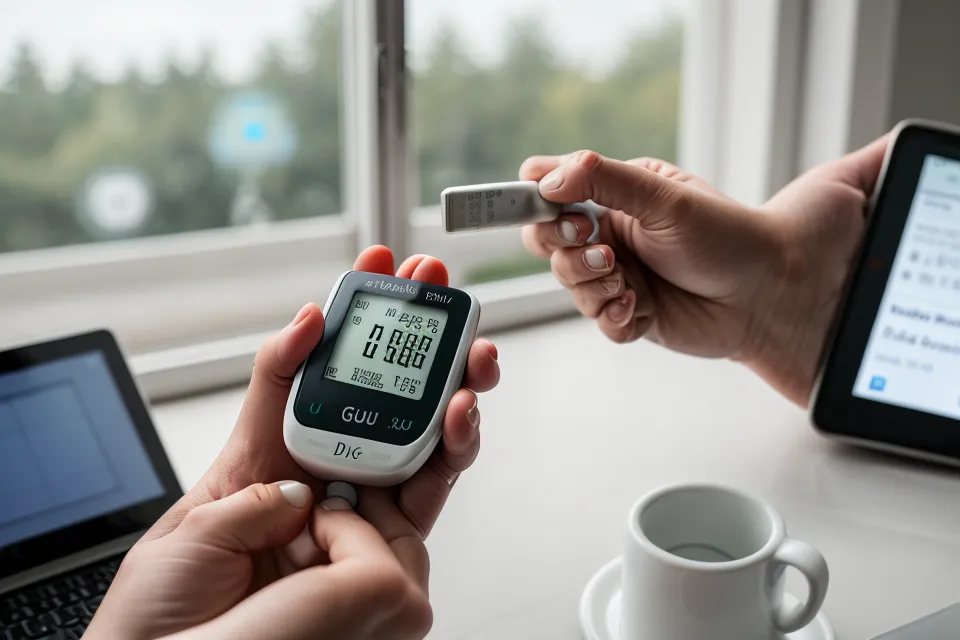
Manufacturers build these meters for convenience, not lab-grade precision, which means every device on the shelf is allowed some wiggle room by design before it would ever get flagged as unreliable. That's not a flaw you can fix by buying a nicer model; it's baked into how home testing works.
How you test matters almost as much as what you're testing — timing, which finger, how long you washed your hands beforehand, all of it can shift a number more than people expect. If you've ever read through common mistakes when using a home glucose meter for the first time, you already know the list of ways to throw off a reading is longer than most people assume, and technique is a separate topic.
The Physical Signs I Actually Trust Over the Display
Over time, a handful of signs became reliable red flags regardless of what the display said. Dry mouth that two full glasses of water won't touch is one. Plain thirst responds to water, this kind doesn't, not for a while. A second is what I'd call paperwork fog: the fine print on an invoice goes soft and hard to track for ten or fifteen minutes, then clears up on its own with no warning either direction. Heavy legs are a third, not sore, just leaden, like crossing the warehouse floor with ankle weights strapped on. The fourth is a specific kind of afternoon stall, the one where a simple vendor email takes three tries to write and basic math on a line-item total suddenly feels like long division.
None of these show up on a glucose meter. They show up in how the day actually goes.
When Should You Stop Trusting a "Normal" Number?
My rule of thumb: one odd sign on its own isn't worth chasing. Bodies are noisy, and a single off afternoon can mean a dozen harmless things. Two or more of those signs stacking up together, especially alongside a reading that doesn't match how you feel, is worth a second test twenty or thirty minutes later instead of taking the first number as final.
A lot of this comes down to timing. Test too early or too late after a meal and you'll miss the part of the curve that actually explains how you feel. Morning fasting numbers measure something different from afternoon post-meal numbers, and conflating the two is a mistake worth avoiding. Continuous monitors read constantly instead of once. That's different hardware, different conversation.
None of this replaces an A1C pulled from an actual lab draw, which measures a longer stretch of time and deserves more detail.
Building a Simple Cross-Check Habit
A reading means more once you attach context to it. I started jotting down not just the number but what had happened in the hours before: how I'd slept, whether the morning had been stressful, whether I'd had coffee on an empty stomach, how much water I'd actually had, whether I'd been at a desk all day or on my feet. Age plays a role too; a reading that would've looked unremarkable in my thirties carries more weight at fifty-one.
Calvin Brewster, a guy I know from a prediabetes tracking group, takes this further than I do. He cross-references his daily numbers against how he slept and even what the weather was doing. I don't go quite that far, but the instinct behind it is right: a single number sitting by itself tells you almost nothing.
My neighbor Sheila has a habit of asking exactly the question that pokes a hole in whatever I thought I'd just figured out, usually something like how I know that's what caused it and not the other three things I changed that same week. She's usually right to ask. I found that out after trying 16:8 intermittent fasting without changing anything else about what I was actually eating. The fasting numbers barely budged because skipping breakfast doesn't do much if dinner stays the same. One isolated change, tested in isolation, taught me a lot less than I expected it to.
I checked my own number once right after wrapping up a late call, kitchen empty around me, nothing on the stove, no obvious reason to expect anything unusual. The display landed comfortably in "normal" territory. My legs had felt heavy for the better part of an hour. The number simply didn't care.
Why I Added Sugar Defender to the Routine

Before trying anything, I spent a stretch of time reading labels and comparing ingredient lists, including what to look for in blood sugar supplements before you buy online, because the supplement aisle is a mess of overlapping claims. Label-reading deserves scrutiny, honestly. That's a separate topic.
Eventually I tested Sugar Defender, a liquid tincture rather than a capsule. It's built from twenty-four plant-based ingredients, skips the synthetic fillers I kept seeing on other labels, and the dropper format absorbs faster than the gelatin capsules sitting unused in my kitchen drawer. Cracking the foil seal under the cap on that first bottle had become such a familiar little ritual by the time I was testing other things that I almost stopped noticing I did it.
The company backs it with a 180-day money-back guarantee, which from a small-business standpoint reads like a legitimate trial window rather than a hard sell. That's enough time to test it against your own numbers instead of taking anyone's word for it. It isn't the cheapest thing on a supplement shelf, and it's only sold through the official site, which is mildly annoying if you're used to one-click reordering elsewhere. Most people need three to four weeks before the daily pattern shifts, by the company's own framing, not an overnight fix. Where you actually buy it matters too, since the official-site-only rule exists for a reason.
If you want to see how it stacks up against a single-compound approach, I put together notes on Sugar Defender vs Berberine. Capsule-based options like Gluco6 exist too if you'd rather skip the dropper entirely, though that side-by-side deserves more detail.
A Normal Reading Isn't Proof of Anything
A single number, by itself, doesn't prove anything either way. If the signs above keep stacking up despite a clean meter reading, that's worth bringing to your doctor along with your logs, not something to self-diagnose from a kitchen counter.
What I can tell you is this: treat a glucose reading the way you'd treat a single data point in any report you run for your business: useful, but not the whole quarter. Pair the number with how your body actually feels, track the pattern across multiple instances instead of reacting to one reading, and don't assume "normal" on the screen means nothing is happening underneath it.
If you're looking for steady support alongside that kind of tracking, that's where something like Sugar Defender fits. It's not a replacement for paying attention, but one more variable in a system that's finally being measured instead of guessed at.
This site documents one person's experience and should not be treated as expert advice. Your circumstances are unique — please consult a qualified professional before making any decisions about your health or finances.