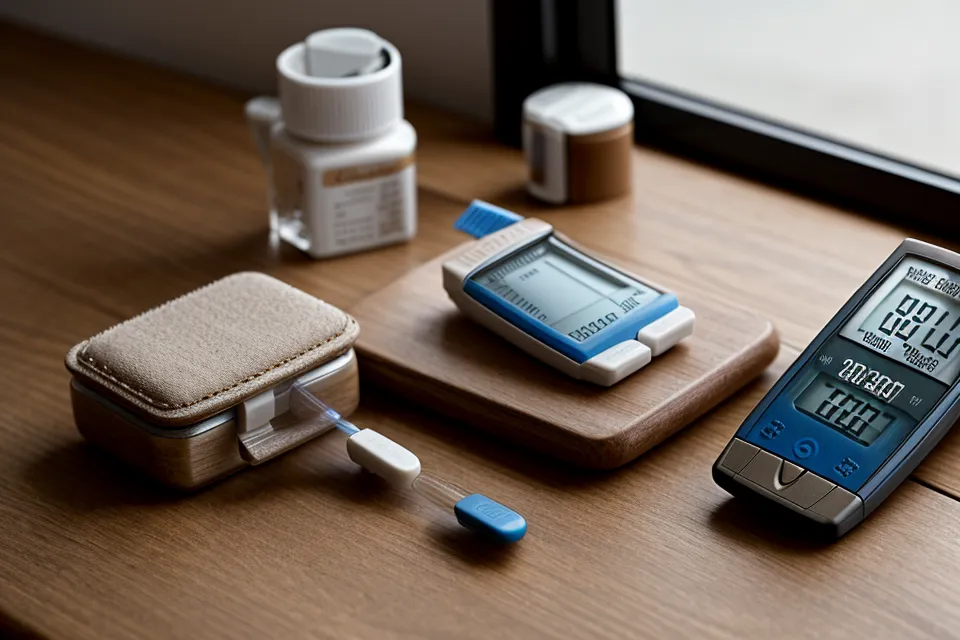
Two laps into the parking-lot loop, phone timer still running, and I'm doing the math on why tonight's dinner is about to post a number on my meter that doesn't match how reasonable it looked on the plate. A short walk after eating turned into my most reliable tool for managing blood sugar since a routine physical first put the word prediabetes in front of me.
Quick disclosure up front: this site runs on affiliate links, including one for Sugar Defender, a supplement I've tested and tracked against my own numbers. Buy through that link and I earn a commission at no extra cost to you. None of this replaces an actual doctor, prediabetes diagnosis or not.
What a Post-Meal Spike Actually Looks Like
A post-meal spike is just the number your meter shows an hour or two after the fork goes down, and it can run a lot higher than your fasting reading even after a meal that looks perfectly sensible. I check mine at the one-hour mark most nights, since that's usually close to the peak, and again around two hours to see how fast it comes back down. Fasting glucose is its own separate conversation with its own quirks; on those mornings I drink a full glass of cold water before the coffee maker even clicks on, sun still down, then check the meter, and I've covered that ground in another post; this one's strictly about what happens after you eat. Same goes for A1C: I won't re-explain what that number actually measures here, but the same borderline reading that got me flagged with prediabetes is exactly what sent me looking at post-meal numbers instead of just the fasting ones.
Running a small business taught me to watch peak load, not just the daily average, and blood sugar works the same way. Two people can carry identical fasting numbers and still post completely different post-meal spikes depending on the meal and what they do in the hour after it. That gap is where this whole walking experiment started.
Does Walking After Dinner Actually Blunt It?
Yes, in my own numbers, consistently. Readings that used to land in the 140s about an hour after dinner have been landing in the 120s instead on nights I walk, and I've got enough evenings logged now to trust the pattern over a fluke. The idea isn't complicated. Getting the body moving seems to help handle that after-meal glucose faster than sitting on the couch would, though I'll leave the how-it-works part to people with actual medical training.
The clearest proof came at my nephew's birthday party a few months back. I ate a slice of cake I had no real business eating, walked the yard chasing his dog for twenty minutes instead of collapsing into a lawn chair, and checked my meter at the ninety-minute mark bracing for a bad number. It read 134, not the 160-something I'd fully expected. That single reading convinced me more than a month of quieter evenings at home ever did.

Timing the Walk for Best Results
Twenty minutes is roughly where my own numbers level off; shorter walks still help some, but the drop is smaller, and I haven't seen much extra benefit from pushing past thirty. Starting within about ten minutes of finishing the meal seems to matter more than the exact length. Wait an hour and the spike has usually already happened, and you're just chasing it downhill instead of heading it off in the first place.
I also run a supplement alongside the walk. I take my Sugar Defender drops roughly thirty minutes before dinner, and the two together have outperformed either one alone in my own tracking -- skip the walk and the drops still help some, but the peak runs higher; skip the drops and the walk feels harder because I'm more sluggish going into it.
What About Nights You Can't Step Outside Right Away?
Not every night lines up so neatly. A neighbor of mine who coaches Saturday-morning youth soccer for the kids on our street asked me once why he kept seeing me pacing near the mailbox after dinner, and the honest answer is that home isn't the only place this works. If you're eating out or stuck somewhere without a yard to walk, the same test holds up fine in a parking lot -- I've done the loop through the lot at the Publix on Johnson Ferry Road in Sandy Springs after grabbing dinner there, and the numbers behaved the same way they do around my own block.
Where it gets harder is when you're genuinely trapped in a seat right after eating -- a long commute, a flight, a dinner that runs late at someone else's house. For those stretches I lean harder on the supplement side of things, since a timing tool still travels even when your legs can't. I wrote more about that exact problem in my Sugar Defender review regarding road trips, where sitting still for hours is the whole challenge.
Where Supplements Fit Into the Picture
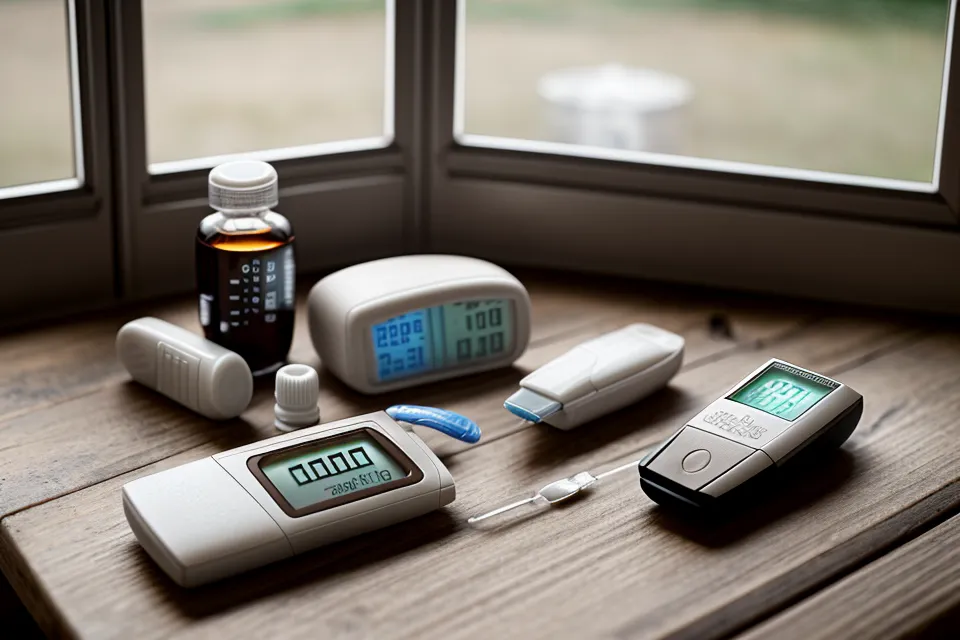
Whether you catch a spike like this with a continuous monitor or the old-fashioned finger stick I use changes how precisely you'll see it, and I keep my own daily tracking notes on exactly that trade-off. Either way, the walk shows up the same in the data.
Supplements are the other half of my testing, and I run each one through its own dedicated stretch before I say anything definitive about it -- a process I've written up in full elsewhere, since one good week doesn't prove much on its own. I've also gotten a lot more skeptical of what a label promises versus what actually shows up on my meter, which is its own story too. Unlike the strict keto diet I tried for thirty days -- carbs cut about as hard as I could stand, fasting numbers barely budging the whole stretch -- a supplement is something I can layer onto a routine instead of overhauling my whole plate.
If you want a simpler capsule instead of a dropper, I've also tested Gluco6, which leans on chromium and a sweetener called sukre rather than the usual cinnamon-based formulas. I laid out how the two stack up against each other in my spreadsheet comparison here -- yes, I really do track this stuff in a spreadsheet, and my wife has opinions about it.
What This Means for Blood Sugar Management After 50
None of this is complicated enough to need a consultant. A short walk after eating is close to free, it takes twenty minutes, and the return on that time has beaten almost anything else I've tried since my first borderline lab result. For a guy my age treating his own numbers like a side business, that's about as good an ROI as I've found.
Pair the walk with a supplement that's actually shown up in your own tracking, not just the label, and you've got a routine that holds up on ordinary nights and the messier ones. Sugar Defender also backs itself with a 180-day money-back guarantee, which reads to me like a company confident in its own quality control rather than one betting you'll forget to ask for a refund. Between the two, Sugar Defender has been the steadier performer in my own log, though your results will depend on your own numbers, same as mine did. Track what you can, question what a bottle promises until your own data backs it up, and don't expect any of it to replace an actual conversation with your doctor.
This site documents one person's experience and should not be treated as expert advice. Your circumstances are unique — please consult a qualified professional before making any decisions about your health or finances.