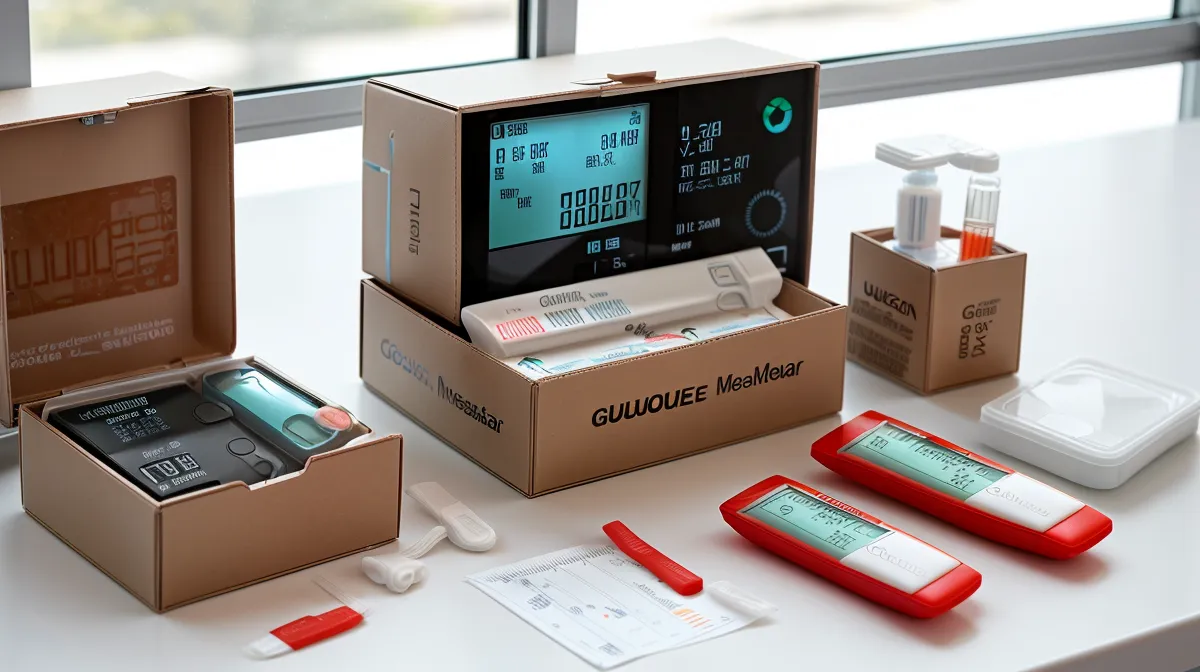
A finger prick gives you one honest number and a quick sting. A continuous glucose monitor gives you two hundred and eighty-eight numbers a day and never hurts at all, which makes it sound like the finger prick lost the argument before it even started. A year into this glucose monitoring habit, somewhere between the prediabetes diagnosis that started it and the supplement testing that followed, I've used both enough to know the trade isn't as clean as "more data always wins." The two methods have disagreed with each other often enough that I still keep both in rotation, and sorting out why turned into some of the more useful health data I collected all year.
Two Machines, Two Different Stories
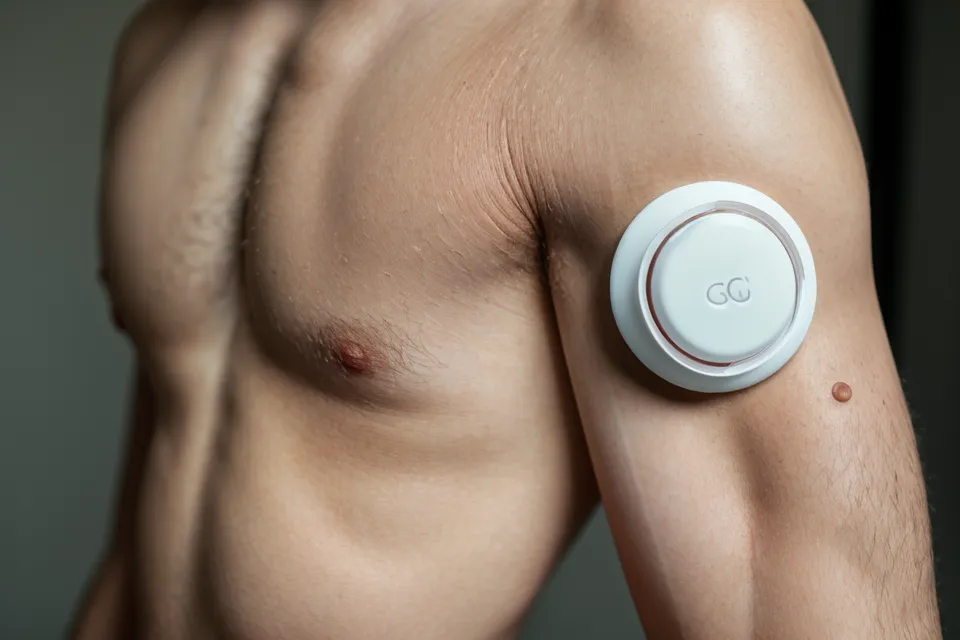
My doctor flagged my A1C as just over the prediabetes line during a routine visit, and "watch your sugar" was the entire plan I walked out with. That's about as useful as telling a landlord to watch his overhead with no ledger attached, so I bought a meter, then eventually a sensor, and spent the better part of a year running both like two employees who file conflicting reports on the same shift. The finger prick is the one I trust when I need a number right now. The sensor is the one I trust when I need to see where that number has been for the last six hours, not just where it landed the moment I checked.
The Finger Prick Ran the Show First
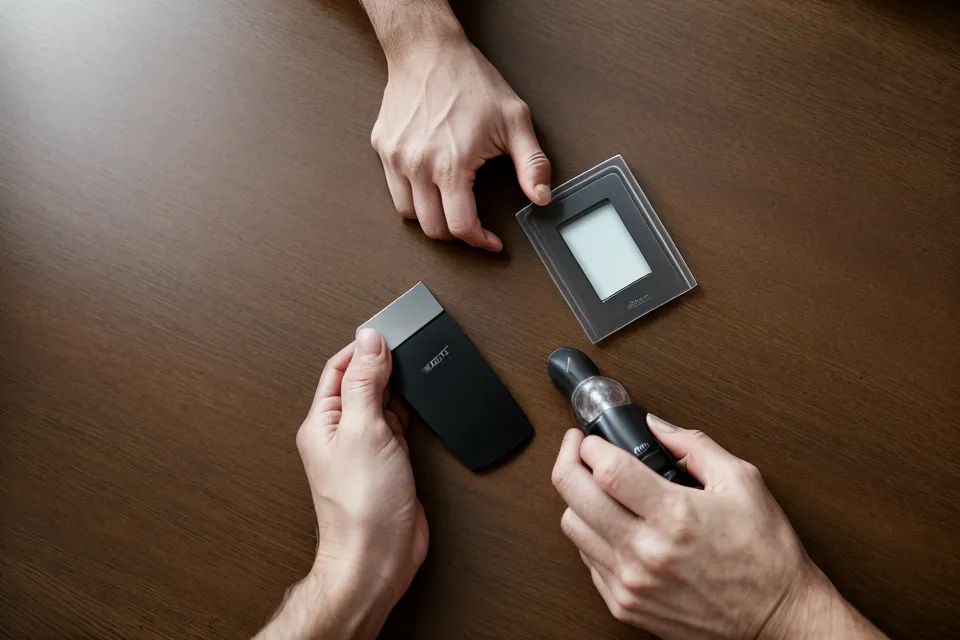
Months went by before the sensor entered the picture at all. The meter and lancets stayed zipped in a black pouch that lived next to the coffee maker, close enough that checking my sugar became part of making coffee, and mornings started the same way every time: a five-second countdown beep, then that odd half-beat of a pause before the number actually landed on the screen, long enough that I'd catch myself holding my breath waiting for it. Early on I made the classic mistake of swapping white bread for whole-wheat and assuming that alone had fixed things. The next several mornings looked almost identical to the ones before it. Bread wasn't the only variable in play, and a single reading every morning couldn't tell me which one actually mattered; it just handed me a number with no context for anything that happened in between.
So Why Didn't The Two Numbers Add Up?
The clearest mismatch happened over a working lunch at Hudson Grille on Roswell Road — a burger with no bun and a beer I probably shouldn't have ordered. Two hours later, the sensor on my arm read 118 and looked flat. A finger prick, checked out of pure suspicion, came back at 143. Same body, same afternoon, two different stories. That gap sent me looking into how a CGM actually gets its number in the first place — it isn't drawing from blood directly, it's reading interstitial fluid instead, which is its own rabbit hole I won't go down here. The short version is that the deeper science of why the two devices diverge is really a separate article; what mattered to me in the moment was that neither number was wrong, they just weren't measuring the exact same thing at the exact same instant.
Reading the Glucose Monitoring Data Like a Trend Line, Not a Verdict
By week eight of wearing the sensor consistently, a single high point had stopped meaning panic. I'd wait to see whether the line was climbing, holding steady, or already coming back down before reacting to anything. Post-meal spikes are their own conversation, worth a full article by themselves, but the short version is that a reading two hours after a meal means something different depending on whether you caught it on the way up or the way down — a continuous monitor is really the only tool built to show you which one it was. One Thursday evening, after a long client call, I checked my phone expecting nothing good and found a flat 104 with an empty kitchen behind me, the first time all week a number actually matched how unremarkable the day had been.
Randall's Skepticism, and a Reader Named Donna
Randall Kovic, a business acquaintance I've traded property leads with for years, doesn't believe half of what I tell him about any of this until I put an actual printout in front of him — he's the kind of guy who needs the spreadsheet before he'll take the claim seriously. When I showed him the Hudson Grille numbers side by side, his first question was whether the sensor had been calibrated that morning, which is a fair thing to ask before trusting any single piece of health data. A reader named Donna Hirsch emailed around the same time with six numbered questions about whether she needed a sensor at all before trying anything else, and the honest answer was that the finger prick alone would tell her plenty for a first month. Supplement testing has its own protocol — timing readings against a control stretch before changing any one variable — and that's really its own separate write-up. So is the label-reading side of things, since a good chunk of what's printed on a supplement bottle stops holding up once you check it against your own numbers instead of taking the marketing at face value.
The Combination Earned Its Keep During Other Tests
The sensor turned out to be most useful whenever I was testing something else entirely. During a separate stretch of testing a berry-based blend, the continuous graph caught an overnight drift that a single morning finger prick would have missed completely, and I only trusted the result once both methods lined up. Something similar happened during a road trip where I was tracking glucose away from my normal routine — hours of sitting in a car do something to my baseline that one finger prick a day would never have caught. Fasting glucose baselines are their own topic entirely, and I've gone deep on that elsewhere, but the short version for this article is that neither device alone showed me the full shift. It took both, compared against each other, before I trusted what I was actually looking at.
One Lesson I'd Actually Pass Along
If I had to boil a year of this down into one instruction for somebody just starting out, it's this: don't buy the sensor first. Get comfortable with the finger prick, learn what an ordinary day actually looks like for a few weeks, and only add a continuous monitor once you have a baseline worth comparing it against — otherwise you're staring at a graph with no context for what's normal versus what's just a Tuesday. Understanding what your A1C number is actually telling you is a good place to start before either device enters the picture at all. None of this replaces an actual conversation with your own doctor, and I'd never suggest changing a routine because some guy in Georgia ran a spreadsheet on himself for a year. But if you're the kind of person who wants the data before you trust the plan, both tools earn their keep — just not on the same day, and not for the same reasons.
This site documents one person's experience and should not be treated as expert advice. Your circumstances are unique — please consult a qualified professional before making any decisions about your health or finances.