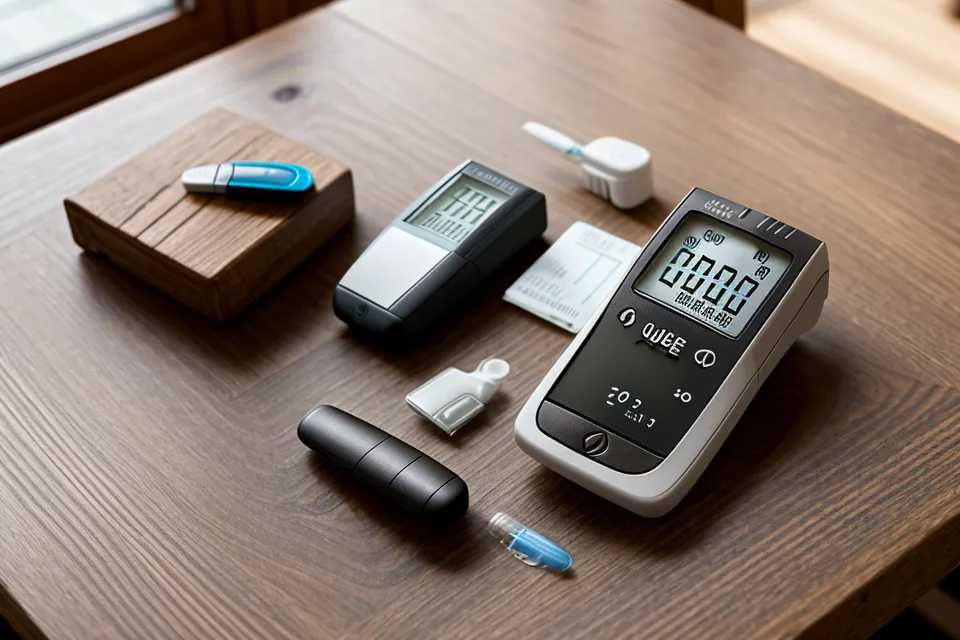
A bottle of gummies that says "zero sugar" in bold letters on the front can still move my glucose meter's number by double digits within the hour.
That gap between the label and the meter is what turned label-reading into a second job somewhere in my prediabetes journey, right alongside the blood sugar testing I was already doing every morning. None of this replaces the number that actually matters over the long run, my A1C — reading that one properly is a separate conversation from what's happening filler by filler inside a capsule.
What "Sugar-Free" Really Means on a Supplement Label
Half of what's ended up in my testing rotation came from the supplement aisle at the Costco on Windy Hill Road in Marietta, and that aisle is where the habit of flipping a bottle over started. Front of the label gets you "Zero Sugar" in a font twice the size of anything else on the package. Flip it over and the "Other Ingredients" list reads like it belongs in a chemistry lab — binders, starches, things ending in "-ose" that never show up anywhere in the marketing copy.
The Rounding-Down Loophole Hiding in Plain Sight
Labeling rules let a product with a small enough trace of sugar per serving get called sugar-free, no asterisk required — I'll leave the exact legal language to people who read regulations for a living, but the practical effect is what I care about. Run that gap the way you'd run any small business number, and it looks a lot like rounding down to make a report look better than it actually is. Stack four or five servings of gummies and chewables across a day, and those small, technically allowed traces add up to something closer to a hidden dessert than a supplement.
Why Does a "Zero Sugar" Gummy Still Move My Numbers?
The reading that finally got my attention wasn't explained by any sugar the label swore wasn't there. It came in at 98 one morning when my fasting number usually sits closer to 112, and I checked the meter twice because I figured the strip was faulty before I figured out what had actually changed in what I was taking.
Nothing about that reading involved cane sugar. It traced back to a filler doing exactly what fillers are built to do — keep a formula from clumping, dissolve fast, taste clean — while apparently also acting like sugar somewhere it wasn't supposed to.
Where Do Fillers Like Maltodextrin and Rice Flour Come From?
Maltodextrin turned out to be the biggest offender in my testing. It's added mostly as a manufacturing aid, keeping powder from clumping inside the machines that fill capsules, not for any nutritional reason. What the label doesn't advertise is that maltodextrin behaves a lot closer to actual sugar once it's in your system than a "zero sugar" claim would ever suggest, and its glycemic index is high enough that I started seeing the same kind of jump I'd get from real dessert.
Rice flour is the quieter version of the same problem. It sounds wholesome sitting on a capsule label, but I noticed the same pattern of readings after products loaded with it as I did with the flagged sugar substitutes, once I started comparing bottles side by side. I'm not the right person to explain how berberine or chromium are supposed to work once they're past your stomach — that's a longer conversation for people with more letters after their name than I've got. What I can tell you is what rides along with them: the filler load changes depending on whether you're taking a capsule, a gummy, or a liquid drop, and switching formats moves that math more than most people expect.
Testing Whether a Filler Is the Culprit
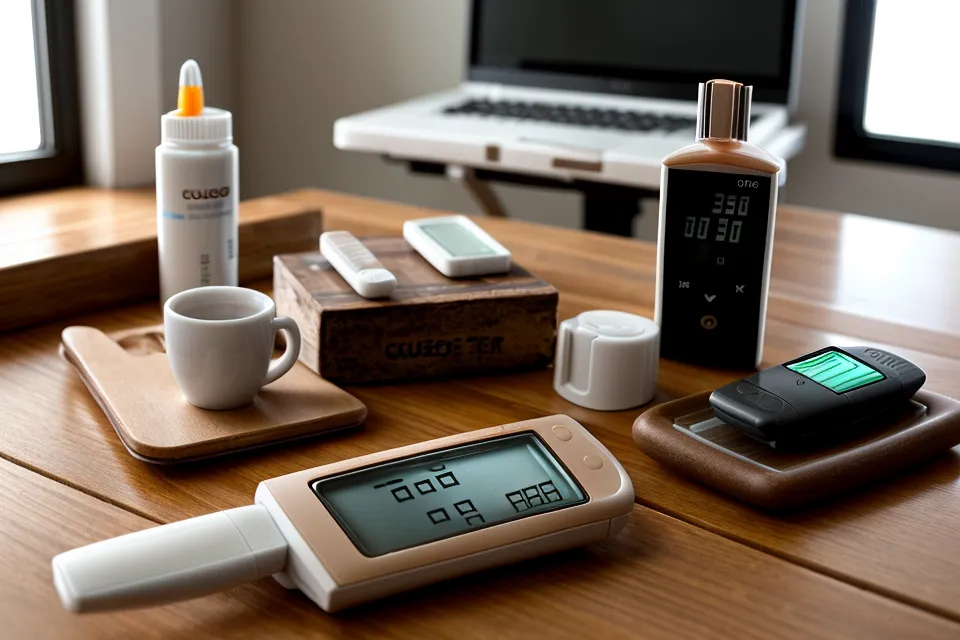
My approach to figuring out which bottle was the problem borrowed straight from how I'd audit a vendor invoice. I test my glucose 30 and 60 minutes after taking a supplement on an empty stomach. Anything that pushes the number up more than 10 to 15 points without food in the picture goes under review. On the ingredients side, I scan for anything ending in "-ose" or "-dextrin," along with "modified food starch" and "rice flour," before I even look at what the product claims to do on the front. Gummies, as much as I like the convenience, haven't survived a single round of that review — I've swapped every one of them for cellulose-based capsules or liquid extracts instead.
I got into the full weeds on the stretch that started all this in The Morning Spike: What Eighteen Months of Pricking My Finger Taught Me About 'Miracle' Pills, and the filler discovery was a big piece of that puzzle. Every new product still gets run through the same kind of test cycle before I trust the results, and I've learned almost as much from watching what happens when I stop taking something as I have from starting it.
What Else Moves the Needle Besides Fillers?
Fillers aren't the only variable in this equation, and untangling them from everything else took a while. A bad night's sleep moves my fasting number more than most supplements ever have. A morning stacked with stressful calls does something similar, and telling a stress spike apart from a supplement spike took real trial and error. Coffee timing is its own confounder — drink it too close to a fasting check and you can chase a false signal for a while before you catch it. How much water is already in my system before a reading matters more than most people assume, too.
Fasting numbers and post-meal numbers are also answering two different questions, and I test them separately instead of lumping them into one score. What's on the plate next to a supplement changes the picture as well — the right combination of food can blunt a spike or make it worse, which is a different test than the filler question I'm chasing here. And whether I'm using a basic finger-prick meter or something continuous changes what I'm even measuring, which is a comparison worth having on its own terms rather than folding into a post about fillers.
Reading a Label Before You Buy
I don't trust a front-of-bottle claim anymore until my meter backs it up, and that skepticism came from getting burned more than once. A guy from the same prediabetes group I'm part of, Calvin Brewster, won't touch a product unless the company publishes a full certificate of analysis. After enough label surprises of my own, I've come around to his side of that argument. Where you actually buy a supplement, and whether what arrives matches what the listing promised, turned into its own separate headache after a couple of near-misses that had nothing to do with fillers at all. Hidden sugar tucked into foods that look perfectly safe is a related hunt, but it's a different investigation than what's riding along inside a capsule.
The Bottom Line on My Supplement Testing
What's in rotation now looks a lot different than when this whole habit started, mostly because I stopped buying anything without checking the back label first. I ran three specific formulas side by side over a full year and wrote up what changed in my kitchen counter experiment where I compared three different formulas, if you want the side-by-side version instead of the filler-focused one.
Not everything I tried moved the needle, for what it's worth. I did a shot of apple cider vinegar every morning for three weeks at one stretch, hoping it would smooth out my fasting numbers. Once I looked at the data honestly, I couldn't find a pattern that held up — no better and no worse than doing nothing, as far as I could tell. My neighbor Sheila Dobbins, who still runs her entire life off a handwritten to-do list, looked at my tracking spreadsheet once and asked, not unkindly, if I was planning a moon landing. Maybe I am. If your numbers won't budge no matter how clean your diet looks, it might be worth pointing the investigation at what's in your pills instead of just what's on your plate — the fillers are doing more work than the label wants you to notice.
Every new bottle still gets tested the same way on the front end, and if you want the full mechanics of that — timing, technique, what counts as signal instead of noise — I laid it out separately in how to use a glucose meter to test supplement effectiveness. Just remember I'm running spreadsheets, not a medical practice, so run your own plan by someone who actually has a license to give that kind of advice.
This site documents one person's experience and should not be treated as expert advice. Your circumstances are unique — please consult a qualified professional before making any decisions about your health or finances.