
Standing in my kitchen late at night, the blue light of my glucose meter reflecting off a half-dozen supplement bottles, I realized I was finally treating my prediabetes like a logistics problem for my business. It was a strange realization, considering that eighteen months ago, I didn’t even know what an A1C was. Now, my kitchen counter looks like a small-scale laboratory, or what my wife calls my 'second business.' I’ve spent more time looking at spreadsheets of my fasting glucose than I have looking at my shop’s inventory lately, but that’s the reality when you’re trying to move a number that refuses to budge.
The Shock of the 5.7
Everything changed when I walked out of a routine physical with a number burned into my brain: 5.7. For those who aren't obsessive trackers like me, 5.7 is the exact diagnostic threshold where the CDC says you’ve crossed the line into prediabetes. The 'normal' upper limit is 5.6. Being just 0.1 over felt like failing a health inspection by a single point. My doctor gave me the classic, vague advice to 'watch my sugar' and maybe take a walk after dinner. As a guy who runs a business based on clear metrics and measurable ROI, that wasn't enough. I needed to know which levers to pull.
I dove into the research—mostly late-night A1C deep dives—and decided that if I was going to manage this, I’d do it systematically. I started testing everything. But for this past late summer, I wanted to focus on two heavy hitters I kept seeing mentioned: Berberine and Cinnamon. I treated it like a split-test for an ad campaign. I wanted to see which one actually moved the needle on my daily logs and whether they were worth the shelf space they were taking up.

The Logistics: Setting Up the Test
In early August, I set the ground rules. To keep the variables consistent—just like I would when testing a new shipping provider—I kept my morning routine identical. Black coffee, a short walk around the neighborhood, and no breakfast until my first reading. I am not a doctor or a nutritionist; I have zero medical training. I’m just a guy with a glucose meter and a desire to see my numbers stay in the green. You should absolutely talk to your own doctor before messing with your supplement routine, especially if you’re already on medication.
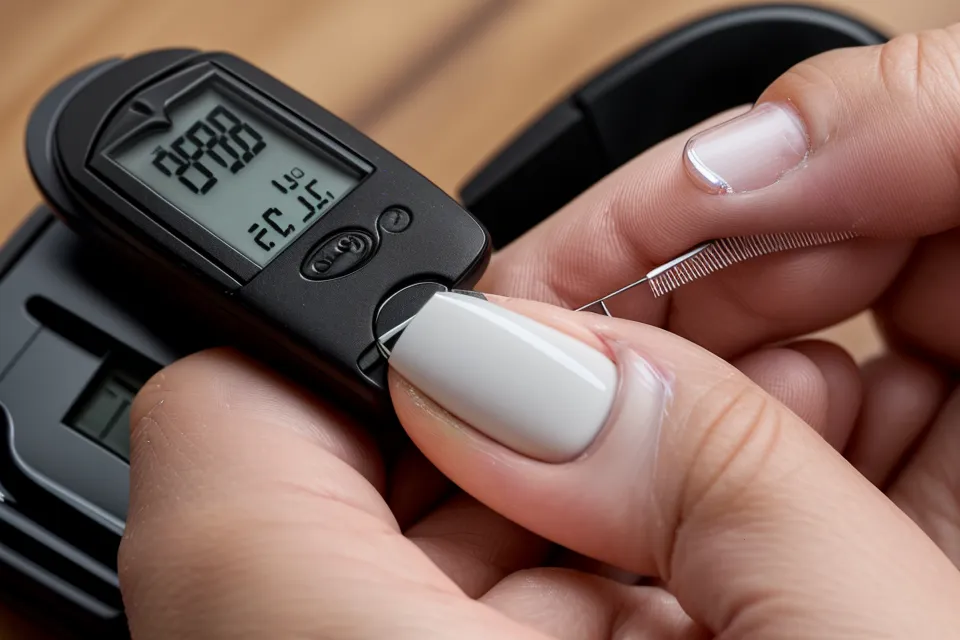
I started with Berberine, specifically 500mg capsules, which is a pretty standard dosage you’ll find in most bottles. I had read that Berberine is a bioactive compound extracted from plants like goldenseal, and it has a reputation for being the 'natural metformin.' I tracked my fasting glucose every single morning, enduring the familiar pin-prick sting on the side of my ring finger, followed by the five-second countdown on the meter display that always feels like an eternity. If the number was high, it ruined my mood for the morning; if it was low, I felt like I’d just landed a big contract.
The Berberine Phase: High Maintenance, High Reward?
By late September, I had a solid month of Berberine data. One thing I noticed immediately: Berberine is messy. I vividly remember the bright yellow stain on my white kitchen counter from a dropped Berberine capsule that I didn't notice until the next morning. That stuff is basically a dye. If you drop a pill, find it immediately, or your grout will be yellow forever. It’s the kind of overhead I didn’t expect.
In terms of numbers, Berberine seemed to be the heavy lifter for my morning fasting glucose. My averages started to dip from the high 100s into the mid-90s after about ten days of consistent use. It felt like I’d finally found a reliable vendor who delivered on time. However, the 'cost of doing business' with Berberine was the digestive adjustment. My stomach wasn't always thrilled with the 500mg dose, especially on an empty morning stomach. It required some fine-tuning of when I took it relative to my meals, much like how you have to figure out the best timing for a payroll run.
The Cinnamon Shift: The Post-Meal Specialist
After a brief washout period to clear the system—something I learned the hard way after my fasting numbers went haywire during a previous back-to-back test—I switched to Ceylon Cinnamon. I opted for 600mg capsules, which is a common manufactured amount. I made sure to get 'Ceylon' or 'true' cinnamon because it has lower levels of coumarin compared to the cheaper Cassia variety you find in the spice aisle. Using the wrong cinnamon is like using cheap oil in a high-end machine; it might work for a bit, but it’s not great for the long-term health of the engine.
What I found was interesting: Cinnamon didn't seem to do much for my morning fasting numbers. My meter would show a 102 or a 105, which was frustrating after the Berberine success. However, Cinnamon appeared to have a different impact during my heaviest meal of the day. If I took it before a suburban cookout—where I’m usually the guy bringing his own almond-flour crackers to a barbecue—my post-meal spikes were significantly more muted. It was as if the Cinnamon was acting as a buffer, preventing the sudden inventory surge of glucose from hitting the system all at once.

The Reality Check: It’s Not Just the Pills
One Sunday morning in early October, while looking at my spreadsheet, I noticed a pattern that had nothing to do with the supplements. My best numbers weren't just on the days I took Berberine; they were on the days I had spent the previous afternoon moving heavy boxes at the shop or doing a quick set of squats in the garage. This was my 'aha' moment. I had been focusing so much on lowering the spikes with supplements that I was ignoring the 'warehouse' where the glucose is supposed to go: my muscles.
I realized that focusing exclusively on lowering blood sugar spikes often masks underlying insulin resistance. It’s like trying to fix a cash flow problem by just cutting expenses without ever trying to increase revenue. Prioritizing insulin sensitivity through strength training yields much more sustainable long-term metabolic health. When I added even twenty minutes of resistance work to my routine, the supplements seemed to work twice as well. The ROI on a set of dumbbells was higher than any bottle on my counter. I’m still tracking the supplements, but I’ve stopped expecting them to do the heavy lifting that only my muscles can do.

Final Logistics and My Kitchen Counter Lab
As we moved into mid-autumn, I looked back at the three months of data. Berberine is my 'fasting glucose' tool, and Cinnamon is my 'big meal' tool. They both have a place in my inventory, but they aren't the CEO of my health plan—I am. I’ve learned that what 18 months of tracking taught me is that there is no magic pill. There’s only data and discipline.
I’ve also started to experiment with the form of these supplements. I noticed that my body reacted differently to the powders inside capsules versus other delivery methods. In fact, during some of my late-night testing, I started to see why some people prefer liquid versions for faster absorption, though I’m still weighing the cost-benefit analysis on that one. It’s all about finding the right tools for the job without overcomplicating the workflow.
If you’re standing in your kitchen at midnight, staring at a meter, just remember: you’re the manager of this business. The supplements are just your staff. You have to monitor their performance, check their output, and fire the ones that aren't pulling their weight. And for heaven’s sake, watch out for the Berberine stains. That stuff is harder to get out of a counter than a bad debt is to get off a balance sheet.
This site documents one person's experience and should not be treated as expert advice. Your circumstances are unique — please consult a qualified professional before making any decisions about your health or finances.