
It was late December, and I was standing in my kitchen with the only light coming from the open refrigerator, staring at a row of half-empty supplement bottles like they were under-performing employees. My fasting glucose hadn't budged in a week, and I was starting to feel the burnout of what my wife calls my 'second business'—this obsessive need to fix my numbers before my next doctor's visit.
Before we get into the weeds, I need to be clear: I am not a doctor, a nutritionist, or any kind of health professional. I’m just a guy with a spreadsheet and a drawer full of lancets. I only recommend things I’ve actually put in my own body and tracked with my meter. This site uses affiliate links, which means I earn a commission at no extra cost to you if you buy through them. Full transparency—I'm testing this stuff for my own ROI, and I’m sharing the data as I go.
The 5.7% Wake-Up Call and the Quarterly Report
Eighteen months ago, I walked into a routine physical thinking I was fine and walked out with an A1C of 5.7%. If you’re new to this, that’s the exact line where you cross into prediabetes. The doctor told me to 'watch my sugar' and sent me on my way. I spent that afternoon in a Google rabbit hole, realizing that 6.5% is the threshold for a full-blown diabetes diagnosis. For a guy who runs a business, those numbers felt like a quarterly earnings report that was trending in the wrong direction.
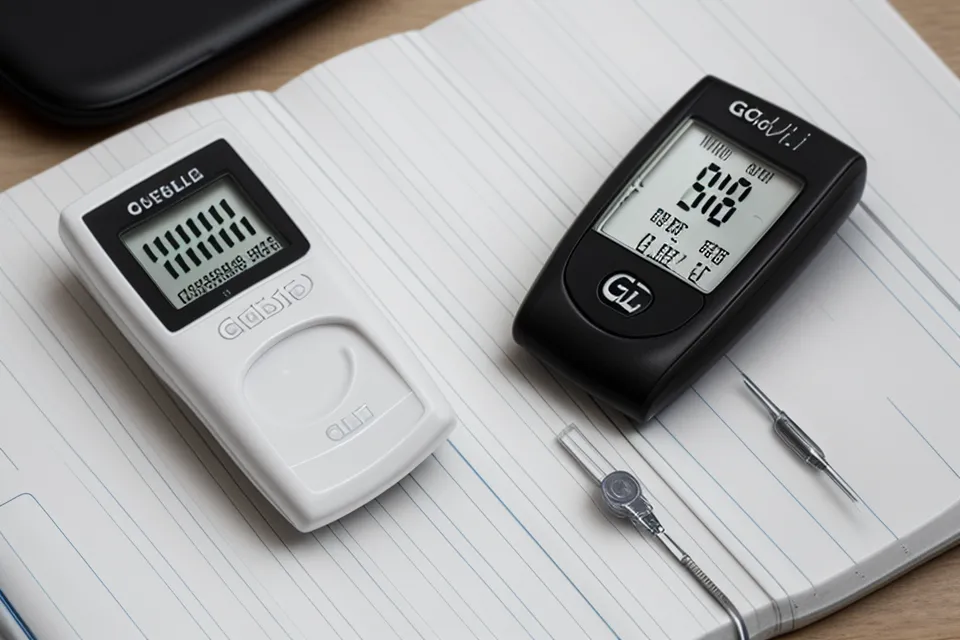
I started tracking everything. I learned to read nutrition labels like they were legal contracts, looking for hidden sugars that were essentially 'overhead' my body didn't need. I treated my glucose meter like a time clock—punching in every morning for my fasting reading and punching out two hours after every meal. But by late December, I hit a wall. I was taking a handful of capsules every morning, and my fasting numbers were stagnant.
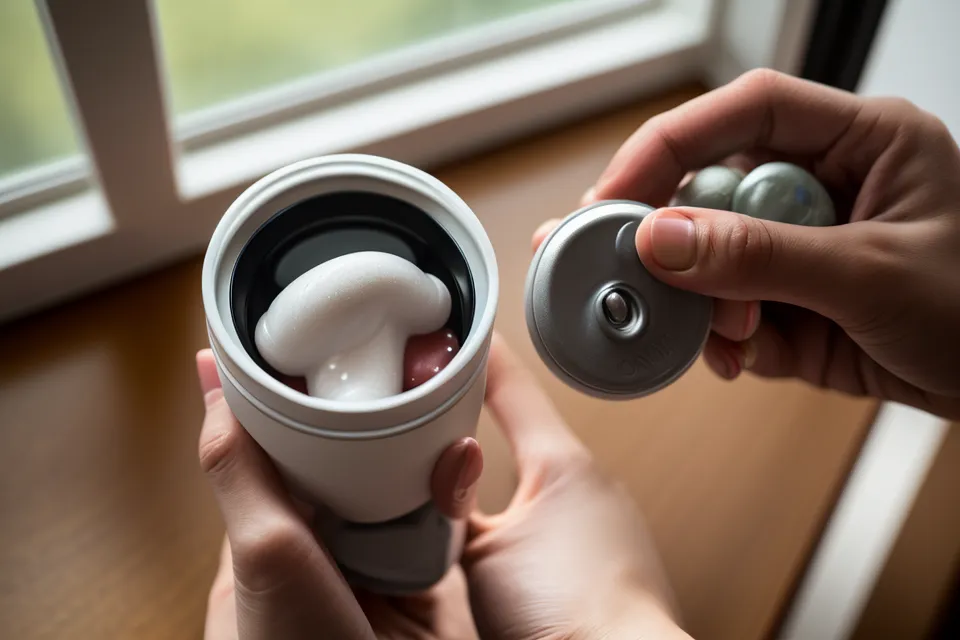
The Problem with 'Capsule Fatigue'
In business, if a process isn't working, you look for the bottleneck. I started wondering if my morning capsule routine was the bottleneck. Swallowing four or five dry capsules first thing in the morning felt like sending a memo through three layers of middle management. I wasn't sure if the powders inside were even hitting my system efficiently before I sat down for my first cup of black coffee.
I’ve written before about my kitchen counter experiment, but this was a different pivot. I started looking into liquid delivery. The theory—at least in my head—was that a liquid supplement might bypass some of the 'processing time' that a hard capsule requires. I wanted something that would hit the bloodstream faster, especially during that mid-morning energy slump when I usually reach for a second (and third) coffee.
I decided to try a liquid formula called /check/main. It’s got 24 plant-based ingredients, which is a lot of 'staff' on one payroll, but the liquid format was what really intrigued me. It felt more like a direct investment than a long-term bond.
The Liquid Pivot: Early Spring Observations
By early spring, I had swapped my morning capsule stack for the liquid drops. The first thing I noticed wasn't actually on the meter—it was the lack of 'pill fatigue.' It’s a small thing, but not having to choke down a handful of capsules while my stomach is still waking up made the routine much easier to stick to. Consistency is the only way to get clean data, and liquid was winning on the user-experience front.
After about three weeks of morning checks, I started seeing a slight but consistent downward trend in my fasting numbers. It wasn't a miracle—I still have to avoid the breakroom donuts—but the volatility seemed lower. In business terms, my daily cash flow was stabilizing. I wasn't seeing those weird 115 mg/dL spikes on mornings when I’d done everything 'right' the night before.

The Endurance Athlete Angle: Why One Size Doesn't Fit All
One humid afternoon last July, I was at a neighborhood barbecue (bringing my own sugar-free marinade, of course) when I got into a conversation with a guy who runs ultra-marathons. He was fascinated by my glucose meter, but for the opposite reason. He actually *needs* glucose spikes to keep from 'bonking' during a fifty-mile run.
It hit me then that most of the advice out there is for people like him—people whose bodies are high-performance engines that need fuel fast. For a guy like me, an endurance athlete's protocol would be a disaster. My goal is stability, not spikes. This is why some supplements that work for 'energy' can actually mess up a guy like me who is just trying to stay under the 5.7% line. You have to know what business you’re in. I'm in the stability business, not the performance business.
That’s why I liked the /check/main approach. It felt like it was designed for the long-term maintenance of the 'building' rather than just a quick boost of power. Plus, they offer a 180-day money-back guarantee, which is basically a six-month trial period. In my world, that’s a very generous service level agreement. Most products, like Gluco6, only give you about a 60-day window, which is barely enough time to see a real trend in your A1C.
Comparing the ROI: Liquids vs. Capsules
Now, I’m not saying capsules are useless. I still have a bottle of GlucoBerry in the back of the cabinet for when I want a different approach, specifically targeting how the kidneys handle excess sugar. But for my daily 'operating expenses,' the liquid drops have become the standard.
If you’re someone who struggles with swallowing pills or you feel like your body isn't 'registering' the capsules you're taking, the liquid format is worth a look. Just remember to talk to your own doctor before you start changing your routine—I’m just a guy who likes spreadsheets, not a medical authority. You can check the current price on the vendor's page, as it tends to fluctuate like any other commodity.
Looking back at my logs from the end of summer 2026, the switch was a solid move for my particular system. I’ve stopped obsessing over every single morning prick—a habit I discussed in my post about shifting my morning routine—and started looking at the weekly averages instead. It’s about the trend line, not the daily fluctuations.
If you're tired of the 'pharmacy counter' look in your kitchen, you might find that simplifying the delivery method is the best way to keep your 'second business' profitable. For me, that meant moving to /check/main and letting the liquid format do the heavy lifting while I focus on actually running my real business.
Check out the latest tracking notes and see if the liquid approach fits your numbers better than the old capsule routine: See my hero pick for liquid support here.
This site documents one person's experience and should not be treated as expert advice. Your circumstances are unique — please consult a qualified professional before making any decisions about your health or finances.