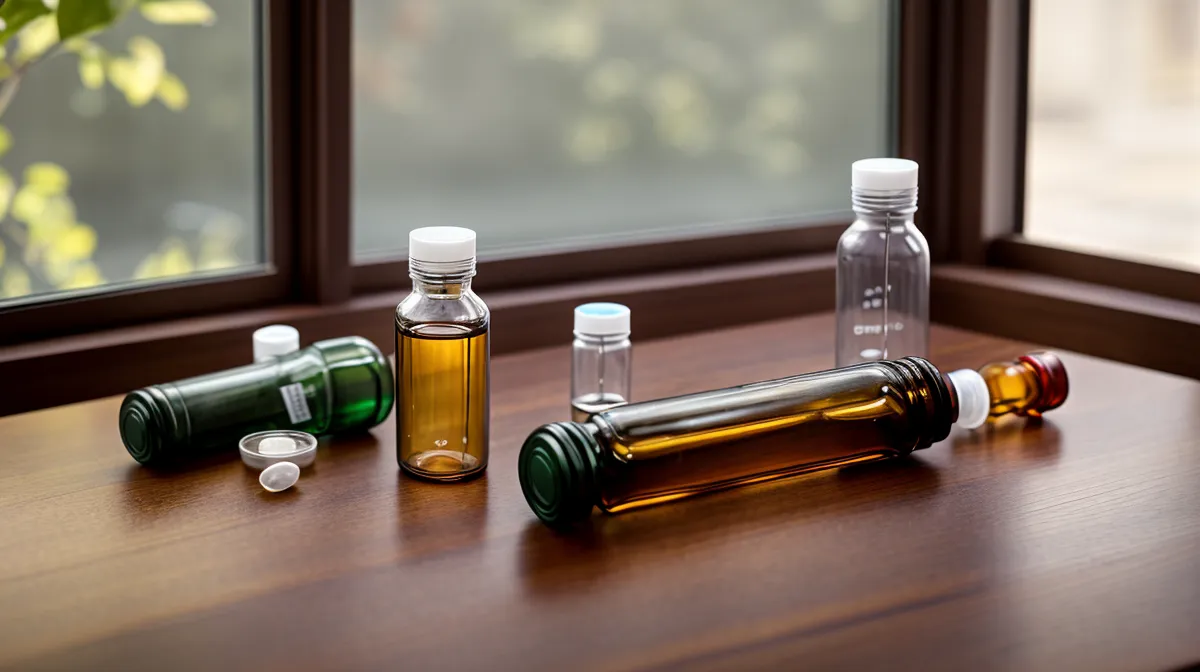
Sugar Defender goes under your tongue in liquid drops three times a day. Gluco6 sits in a capsule you swallow once with breakfast and don't think about again until the bottle runs low. That single difference in format is most of why I ran a dedicated 60-day blood sugar testing round on Gluco6 instead of filing it under "another cinnamon pill" because I wanted to know if a capsule built around a different lead ingredient actually moved my prediabetic numbers, or if it was just a more convenient way to spend money.
Quick housekeeping before the numbers: this site runs on affiliate links, including the ones pointing at Gluco6 below, and I earn a commission if you buy through one at no extra cost to you. I only put a supplement through a review like this after it's gone through my own 60-day protocol — glucose meter, spreadsheet, the whole small-business treatment (my wife's words, usually delivered while I'm packing my own snacks for someone else's cookout). Ever since a routine physical came back with an A1C just over the prediabetic line, I've treated my blood sugar like an underperforming branch office that's due for a quarterly review, and Gluco6 was next on the list.
Why Sukre Made This a Different Kind of Blood Sugar Testing Round
Most blood sugar supplements lean on the same two raw materials — cinnamon and berberine — just packaged differently. Gluco6 leads with something called Sukre instead, and what actually got my attention wasn't a bold marketing claim, it was that I hadn't run a 60-day test on anything built around that ingredient before. I already put Gluco6 head-to-head against a liquid competitor in Sugar Defender vs Gluco6: My Spreadsheet Comparison of These Two Supplements, but that piece was mostly about format: drops versus capsules. This one is just about Gluco6 on its own: does the Sukre variable actually change anything on the meter, or is it the same old inputs with a new name on the label.
I'm not qualified to explain what Sukre does inside the body, and I'm skeptical of anyone online who claims they can in three bullet points. What I can tell you is what I actually watched for: whether a normal lunch pushed my glycemic index reaction higher or lower than it usually does, and whether that held up meal after meal instead of showing up once and disappearing.
This isn't the first "different ingredient" pitch I've fallen for, for what it's worth. Before this test, I picked up a generic blood sugar support blend from a health food store on a whim — no protocol behind it, no real reason to expect anything — and after a full bottle I genuinely couldn't tell if it was doing anything at all on my meter. That's the bar Gluco6 had to clear: prove itself in the numbers, or join that blend in the cabinet with the other bottles I've quietly stopped restocking.
What My Numbers Actually Did Over 60 Days
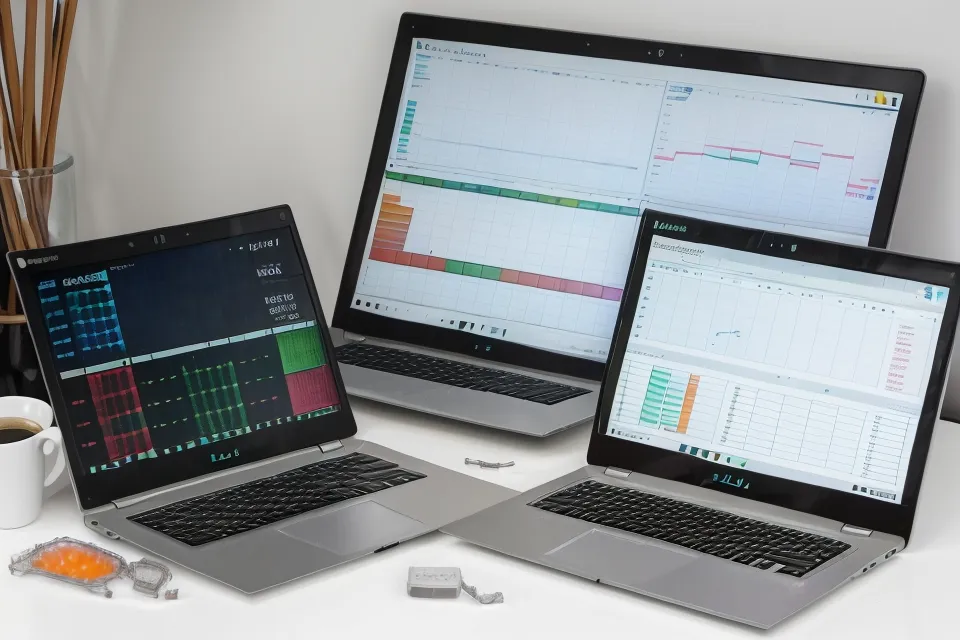
My fasting average sat at 112 mg/dL going into this test — the same starting point I use for every supplement I review, so the comparisons actually mean something across bottles. The raw numbers go into a spiral notebook on the counter first, one column for fasting and one for the two-hour post-meal reading, before I transfer everything into the spreadsheet my wife rolls her eyes at every time she catches me updating it after dinner. By the end of the 60-day window, that fasting average had settled at 105 mg/dL — a seven-point move that works out to a bit over 6% off baseline.
Not a home run. But a real number, not a feeling.
A turkey club used to put me at 165 mg/dL two hours later, reliably enough that I'd stopped ordering it for a while. On Gluco6, the same sandwich landed closer to 145 mg/dL. The clearest single data point, though, wasn't a sandwich at all. It was a slice of cake at my nephew's birthday party. Ninety minutes out, my reading came back at 134. A year earlier, I'd have expected something north of 160 off a plate that size.
None of this touched my mornings, for what it's worth. My fasting numbers are still higher than they should be relative to what I eat the night before, which is its own fight covered in Why My Fasting Glucose Was Higher Than My Dinner Reading (The Dawn Phenomenon Reality Check), not something Gluco6 or any capsule seemed to touch. I also won't get into how to actually read an A1C number here. That's a rearview mirror, not a dashboard, and it's its own topic. Just know that everything above is fasting and two-hour readings, not a lab result. And I ran this whole test on finger sticks rather than a continuous monitor, which is a trade-off worth its own writeup rather than a paragraph here.
How Do I Decide a Supplement Is Actually Working?
I use three checks before I'll call any supplement a keeper, and Gluco6 is the first one to pass all three in one pass. First, the fasting average has to move off its baseline without me changing anything else about food or activity, or I can't credit the bottle for it. Second, a repeated test meal has to produce a smaller two-hour number than it did before I started — more than once, not as a one-off. Third, the change has to hold up during a stretch when I'm not obsessively logging every bite, not just while I'm already paying extra-close attention to everything else.
The actual mechanics of how I structure a 60-day test (control window, repeat meals, when I call it quits) is a longer process I've written up on its own; the short version above is enough to judge these results. I've also gotten a lot more skeptical of what a supplement label actually discloses versus what it just implies, which is its own habit and deserves more room than a single paragraph here.
A friend of mine, Randall Kovic, tracks his own fasting numbers with the same obsessive streak I have, and when I mentioned I was starting the Gluco6 bottle, he called me about it instead of texting. Three sentences is about his limit for anything typed out. His question was simple: is Sukre actually a different variable, or just cinnamon with a new name on the bottle. That's the same question this whole test was built to answer.
Donna Hirsch, a reader who emailed me after my own A1C scare, asked almost the same thing in different words: how would she know if a supplement was actually working, versus her just hoping it was. I gave her the three checks above. She circled back three weeks later with her own fasting log showing a real move for the first time — which is a better use of a spreadsheet than the one I keep.
Gluco6 vs Sugar Defender vs GlucoBerry: The Three Compared
Gluco6 isn't the only bottle on my counter, and it shouldn't be the only one you look at either. I've run Sugar Defender and the more budget-priced GlucoBerry through similar testing, and each one behaves a little differently depending on the day and the meal — some of that day-to-day variance shows up in Does Red Wine Spike Fasting Glucose? My Weekend Spreadsheet Data.
Here's the same head-to-head I keep on my own counter, stripped down to the categories that matter once you take the marketing copy out of it.
| Product | Format | Key Advantage | Link |
|---|---|---|---|
| Sugar Defender | Liquid Drops | Fast-absorbing drops; backed by a 180-day guarantee | Check Price |
| Gluco6 | Capsules | Sukre and chromium instead of the usual cinnamon-only formula | Check Price |
| GlucoBerry | Capsules | Maqui berry approach at a lower price point; one capsule a day | Check Price |
Where Gluco6 Earns Its Keep, and Where It Falls Short
After 60 days on Gluco6, here's my actual scorecard, not the highlight reel. On the plus side, the capsule format travels well — tossing a bottle in a bag beats managing a liquid dropper through airport security or a hotel bathroom sink, and I'm on the road around the Southeast often enough that this matters more to me than it might to someone working from one office every day. I also didn't get the jittery, over-caffeinated feeling that a couple of cheaper supplements have given me; it contains chromium, and whatever it's actually doing, the steadier afternoon feeling was consistent enough for me to notice. I also like that the label lists real ingredients instead of hiding behind a proprietary blend. If a company won't tell me what's in the bottle, it doesn't go in my body or my spreadsheet.
On the other side of the ledger, Gluco6 isn't the cheapest way to run this experiment. It costs more per bottle than some of the other supplements on my counter, and you'll get a better per-unit price by committing to a multi-bottle order rather than buying one at a time, which is a bigger ask before you know it'll actually work for you. It's also online-only. There's no running to a local pharmacy in suburban Atlanta when you're down to your last capsule, so reordering takes actual planning instead of a last-minute grab on the way home.
Is Gluco6 Worth Adding to Your Own Test?
If you're tired of cinnamon-and-berberine and want to see whether a different lead ingredient like Sukre changes anything for your own numbers, Gluco6 earned its spot on my counter and is worth running through your own version of this test. It didn't turn my glucose readings into someone else's — nothing does that — but it produced a real, tracked shift I can point to on a chart instead of describing a feeling after the fact.
Sugar Defender is still the pick I hand to anyone nervous about committing money to something that might not work, if you'd rather start there instead — Sugar Defender's guarantee window gives you time to actually collect data before deciding either way. But if capsules fit your routine better than a dropper and you want to test a newer variable than the usual formula, run your own numbers on Gluco6 and see what your own meter says. Track it the way you'd track anything else that costs you money every month — real readings, not just a hopeful sense that things feel a little better. Check your own baseline, log your own eight weeks, and let the data, not the label, make the call. And talk to your own doctor before changing anything about your routine either way; this is one guy's spreadsheet, not medical advice.
This site documents one person's experience and should not be treated as expert advice. Your circumstances are unique — please consult a qualified professional before making any decisions about your health or finances.