My Fasting Glucose Beat My Dinner Reading, and That Bothered Me
Why would a body that hasn't taken in a single calorie for ten hours post a higher number than the same body two hours after dinner? That's the question that hooked me the first time my fasting glucose came in above my post-dinner reading, and it's the one that eventually pulled me into everything people call the dawn phenomenon. I'm not going to answer it in this paragraph. It took me the better part of a month, a stack of test strips, and a stubborn refusal to accept "that's just how bodies work" as a real answer. This is the blood sugar tracking rabbit hole that turned my kitchen counter into something closer to a research desk than a countertop, and if you're deep enough into your own prediabetes journey to be confused about why your best-behaved evening produces your worst morning number, you already know the feeling.
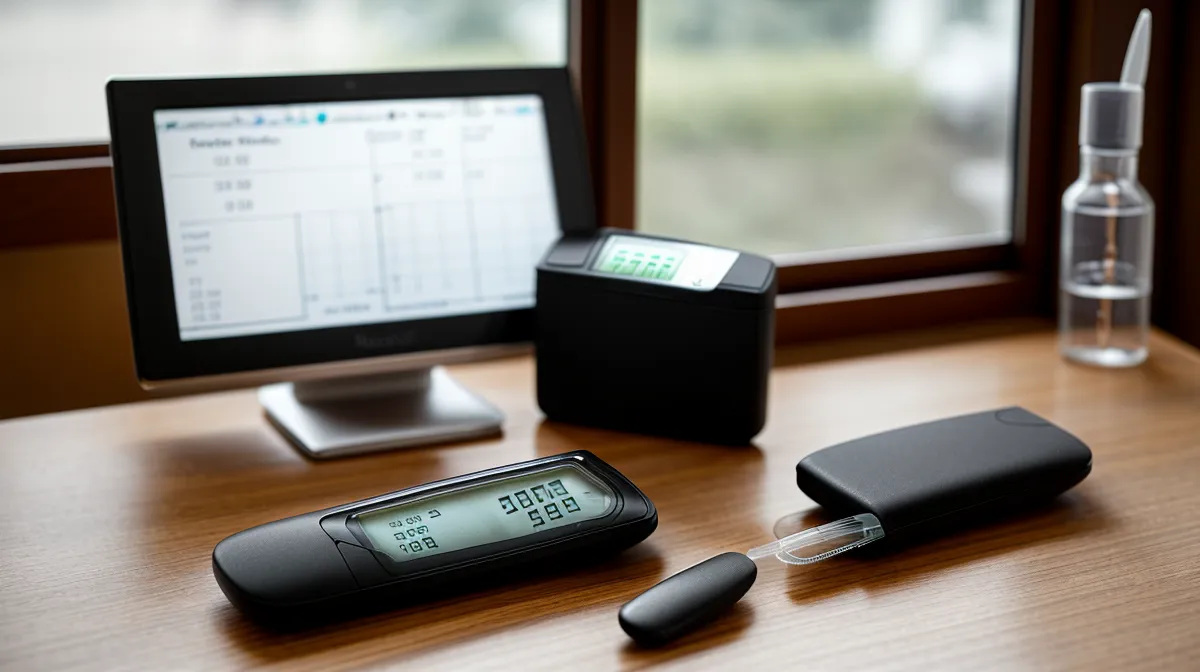
Dinner that week had been about as clean as I get — grilled chicken, no bread, and one glass of wine I actually turned down. Two hours after eating, my meter showed 101. I went to bed satisfied, like I'd hit a sales target early. The next morning, before coffee, before anything else, I tested again and watched the number climb to 118 instead of drop. Nothing had gone into my mouth in ten hours. My liver, apparently, had other plans.

Testing the Three A.M. Floor
The medical term for this is the Dawn phenomenon — a rise in fasting blood glucose that shows up in the early morning hours, roughly three to eight a.m., driven by a surge of hormones the body releases whether or not breakfast is anywhere on the schedule. Growth hormone and a second hormone I'll get to in a minute tell the liver to start releasing stored sugar and manufacturing a bit more from scratch, which is exactly the kind of overnight production run that shows up as a higher number the second you wake up and test.
That pattern is part of what I tracked in my 140-day blood sugar experiment, where I ran a stretch of nights testing at bedtime, then again at three in the morning, then again at waking, just to see where the number actually started climbing. One night it read 90 at 3 a.m. and 113 by the time I woke up. Nothing eaten in between, just hours passing and a number moving on its own.
Two hormones drive this: growth hormone, and cortisol, the one most people have already heard of. Both signal the liver to push glucose into the bloodstream ahead of the day's demands, regardless of whether anything is actually about to be eaten. Someone with a normal insulin response reabsorbs that release almost as fast as it shows up, so their fasting number barely moves. My own insulin response isn't running at that kind of efficiency, so the glucose sits in circulation a little longer, and by the time I test, it reads like backsliding when it's really biology getting a head start on a day I hadn't begun yet.
Why Does a Fasting Reading Lie More Than a Post-Meal One?
My A1C is still the number I trust more than any single morning reading, since it reflects three months instead of one groggy Tuesday, and post-meal numbers are their own separate puzzle that I track independently — they behave nothing like the fasting number does, rising and falling with what's actually on the plate rather than with what the liver decides to do on its own overnight schedule.
A rough lunch meeting at Hudson Grille on Roswell Road in Sandy Springs, the kind where a client rewrites the scope of a project somewhere between the appetizer and the check, reliably shows up on my meter the next morning too — not dramatically, just five or six points above my usual range. That stress-and-cortisol connection is most of what got unpacked in how I finally cracked the 110 barrier, and it had a lot less to do with cutting carbs than with calming down my evenings.
Explaining It to Terrence, Who Explains It Back
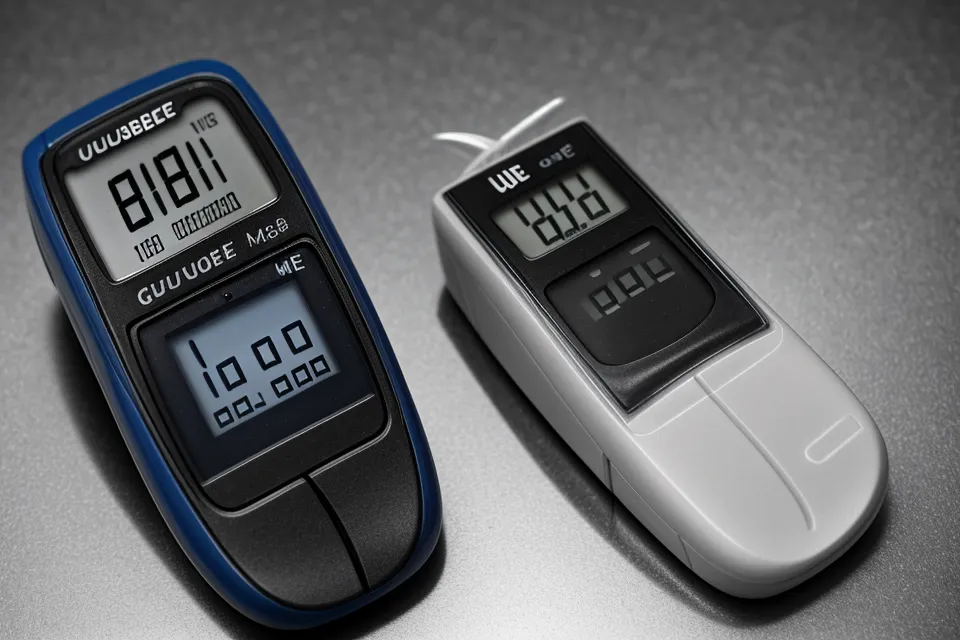
My old college roommate Terrence Odum still forwards me research podcasts nobody asked for, and when I mentioned the dawn phenomenon he texted back three sentences from a study abstract like he'd read the entire paper, confident as ever, insisting the whole fix was better sleep hygiene. He wasn't wrong exactly. Poor sleep does push the morning number up, but an abstract skips the part where sleep alone won't move a fasting reading if the actual bottleneck is how efficiently insulin is doing its job that particular week.
Apple cider vinegar shots, taken first thing every morning for three straight weeks, were my attempt at a brute-force fix, on the theory that if vinegar blunts a post-meal spike, it might do something similar here. My fasting number moved by less than a point in either direction the entire three weeks, and mostly what I proved is that a vinegar shot at six in the morning is a genuinely unpleasant way to start a day.
A reader named Nadine Wortman emails me every few weeks with her own dawn phenomenon numbers, and her spreadsheet puts mine to shame — she logs wake time, a reading the moment she's up, a second reading twenty minutes later, and a note on how many hours she slept, which is more granularity than I've ever bothered building into my own tracking, accountant's habits showing through even in a hobby.
Black coffee before any of that testing plays its own small trick on the number, which is part of what I dug into in GlucoBerry vs my morning coffee — some mornings it nudges the reading up a couple of points before I've done anything else that day. All of this has also made me a fair bit more skeptical of what a supplement label actually promises versus what the meter shows after a full month of taking the thing, and it's part of why I've stuck with an ordinary finger-stick meter through all of it rather than switching to a continuous sensor — stubbornness, mostly, and an instinct not to add cost to a hobby that already has plenty.
The Rules I Actually Follow Now for High Morning Numbers
These days I don't panic over one isolated morning reading. I compare it to the number from the night before and look at the overnight delta instead of the raw figure. Checking the three a.m. floor once or twice is useful for confirming whether the liver is actually the one overproducing, though doing it every night is a bad trade since poor sleep just raises the number further. And if fasting numbers keep climbing even as diet and activity improve, that's a conversation for an actual doctor, not a guy with a glucose meter and a kitchen counter full of bottles — some things need a professional, not a spreadsheet.
One Thursday afternoon, house empty, phone still warm from a client call, I tested purely out of habit rather than curiosity and watched 104 come up on a screen that had been showing numbers ten or fifteen points higher most of that month. By the fourth week of logging bedtime and waking numbers side by side, the overnight gap between them had shrunk from close to twenty points down to single digits, and that shift showed up in the spreadsheet before it showed up in how I actually felt in the mornings.
The actual lesson that stuck wasn't a number at all — it was learning to grade the overnight delta instead of the raw morning figure, since a small, steady gap between last night's reading and this morning's tells you a lot more about whether your liver is behaving like a well-run operation than any single number ever will on its own.
This site documents one person's experience and should not be treated as expert advice. Your circumstances are unique — please consult a qualified professional before making any decisions about your health or finances.